
Available from January 2, 2027. Stays of 4 weeks or more include a 5-hour online Spanish course before you travel.
Project details
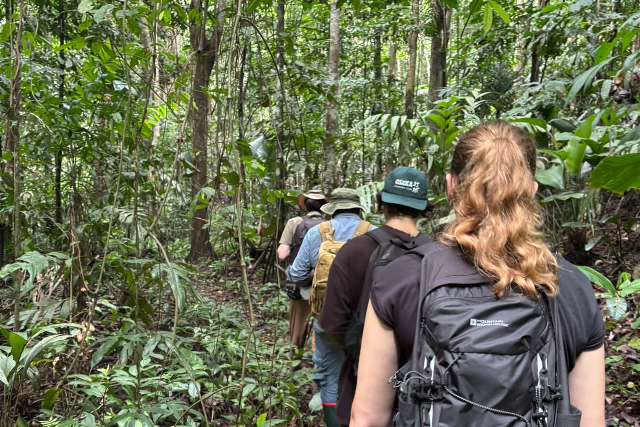
Volunteer in Costa Rica and take part in real wildlife conservation research in a tropical rainforest on the Caribbean coast. This volunteer program is open to anyone curious about wildlife, interested in life at a field station, or simply ready to try something new.
The project takes place in an Indigenous Reserve on Costa Rica’s Caribbean coast. The reserve is a semi-autonomous Indigenous territory. It covers thousands of hectares of primary rainforest, secondary rainforest, «food forest» cropland, agricultural land and some development.
You will live and work at a scientific research base hosted by an Indigenous family. The program is run by a local conservation organization formed by residents and researchers, dedicated to long-term environmental study of the reserve and the training of the next generation of conservation scientists. It is one of the few long-term research centers in the world located in an Indigenous reserve, and the only long-term research base in the region. Learn more about tropical wildlife conservation and the research happening in reserves like this one.
No formal academic or professional background is required. You will be trained in species identification, ecology and research techniques through lectures, field classes and workshops on a rotating schedule throughout the year.
This project is not for everyone! Life here can be difficult, especially for people not accustomed to the climate. The walk to get to Base is challenging, even in the best conditions. You must be able to cope with sharing living space with spiders, geckos, and other insects. Expect to be sweaty and itchy most of the time. You must be in good physical condition, and able to carry all your bags on your own. This project is not recommended for anyone with breathing problems, severe allergies, or joint/back injuries. Please enquire for more details.
Your tasks as a volunteer in Costa Rica
As a volunteer, your time is split between hands-on wildlife research and structured training:
Wildlife research
- Wildlife transect surveys
- Bird point counts
- Herpetofauna surveys
- Camera trap studies
- Weather and climate data collection
Training and workshops
- Wildlife identification
- Principles of tropical ecology
- Herpetology
- Animal behavior
- Botany and forestry
- Environmental policy
- Academic ethics
Gallery
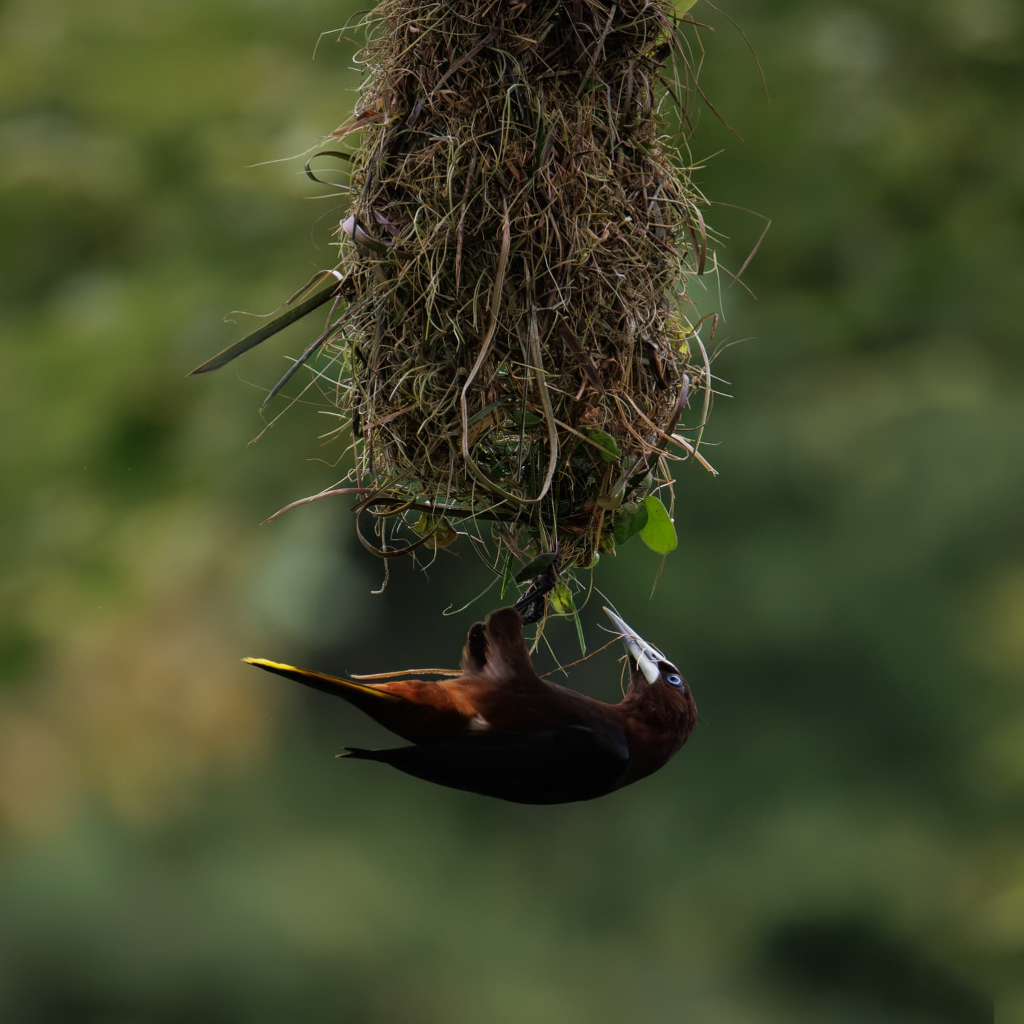
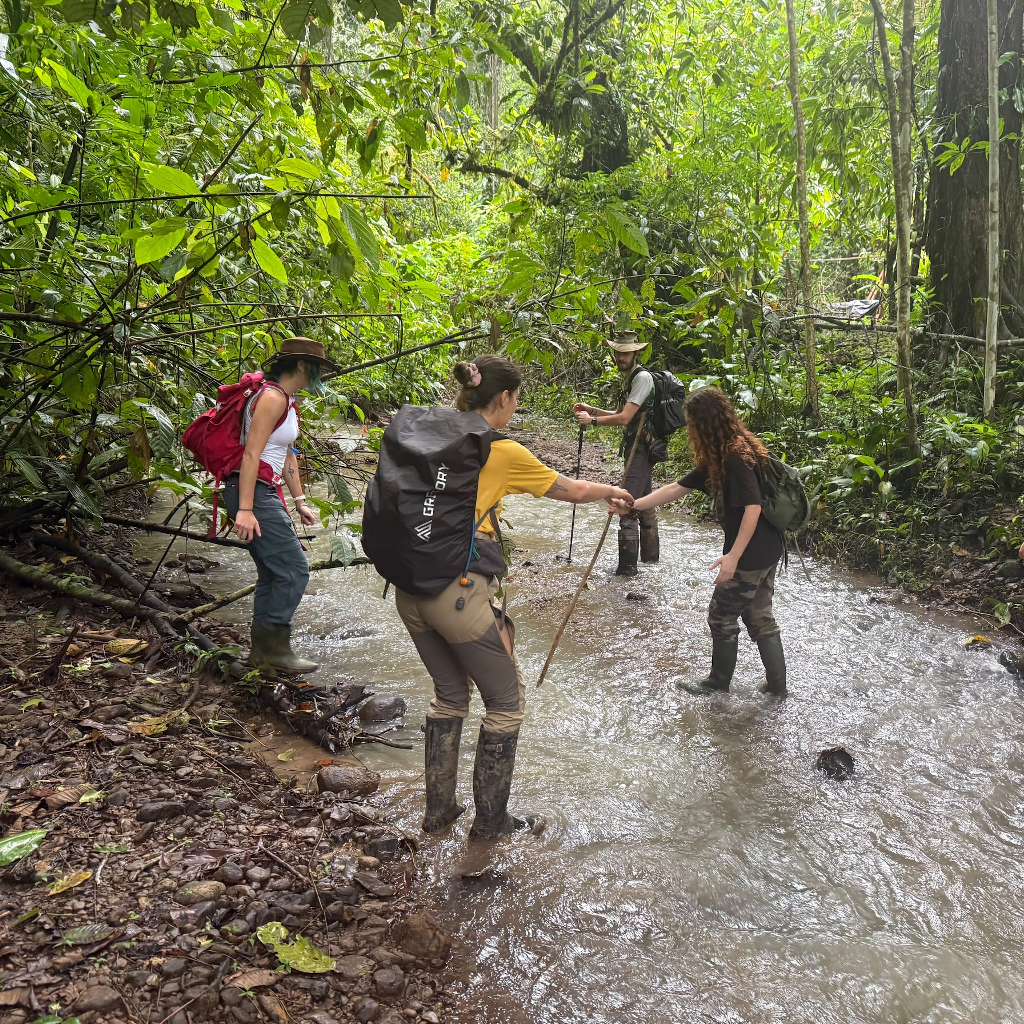
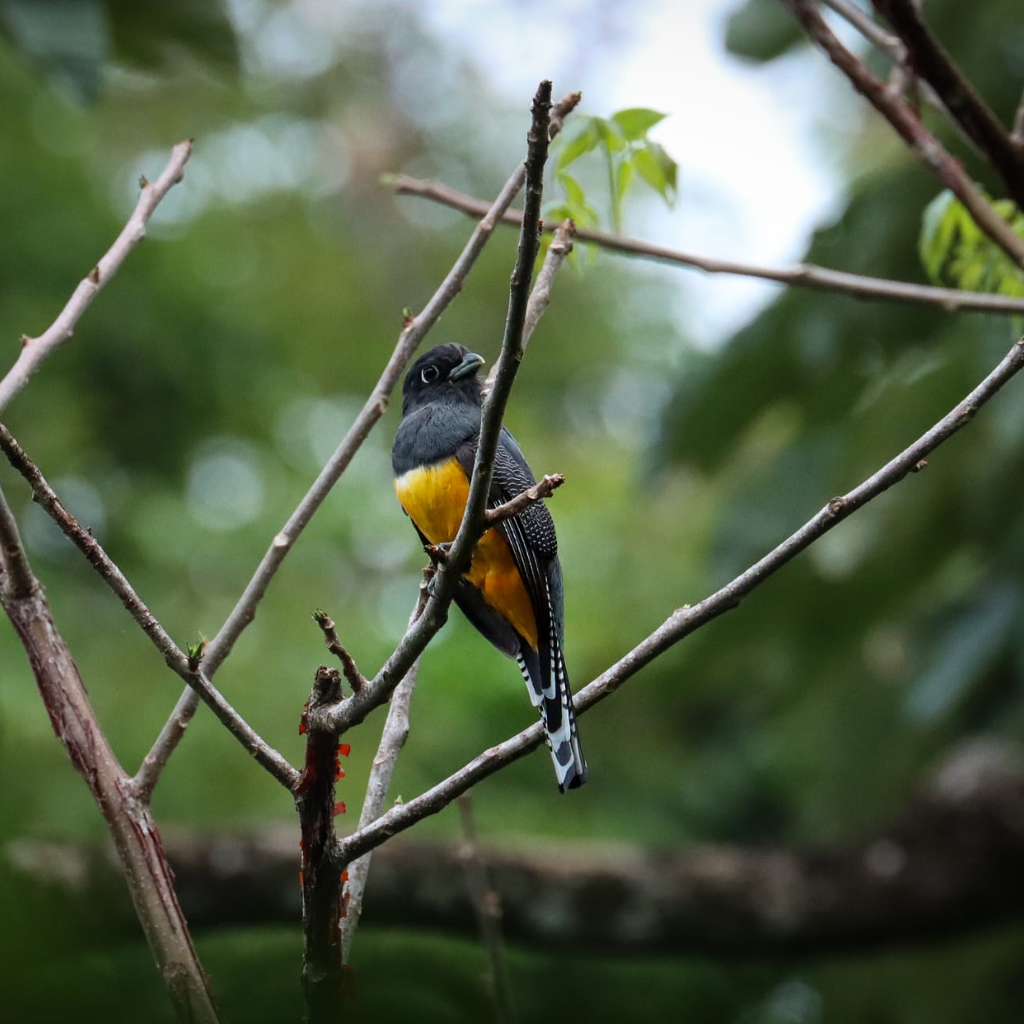
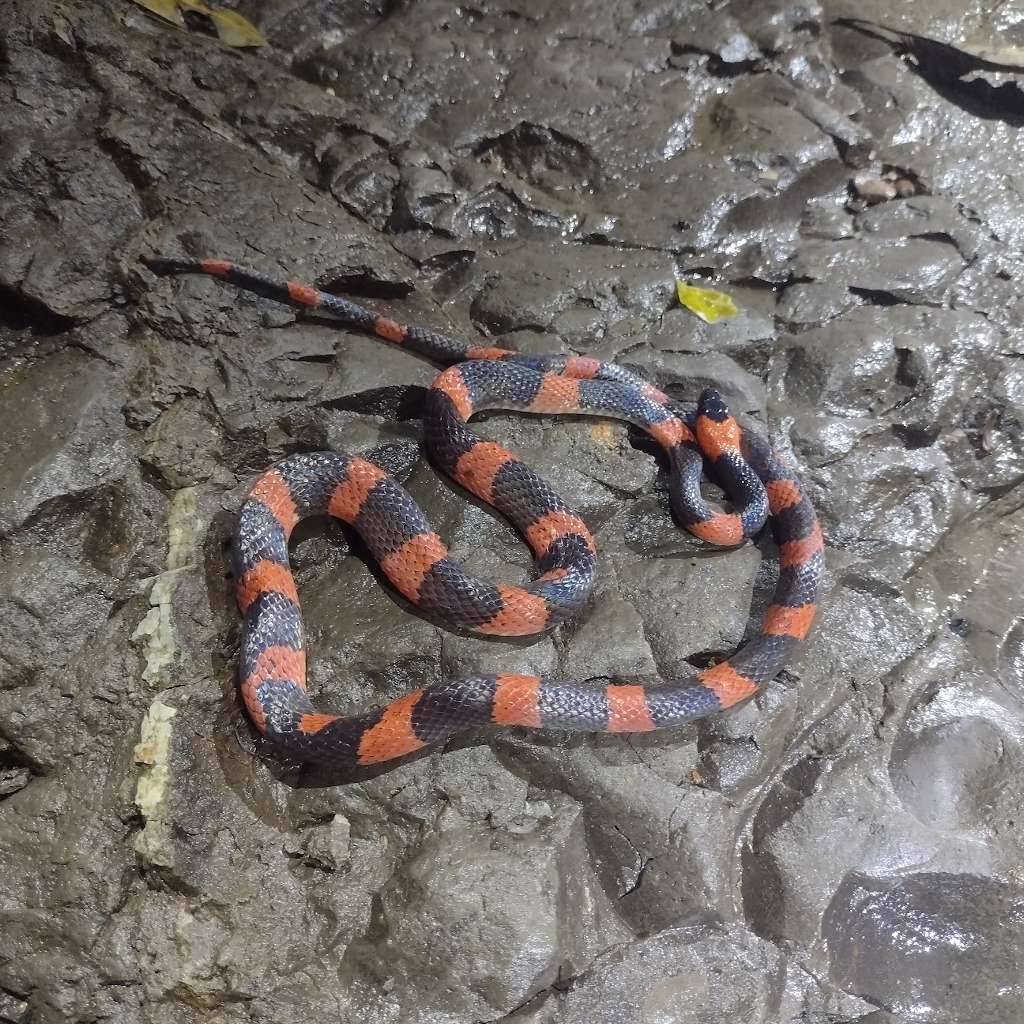
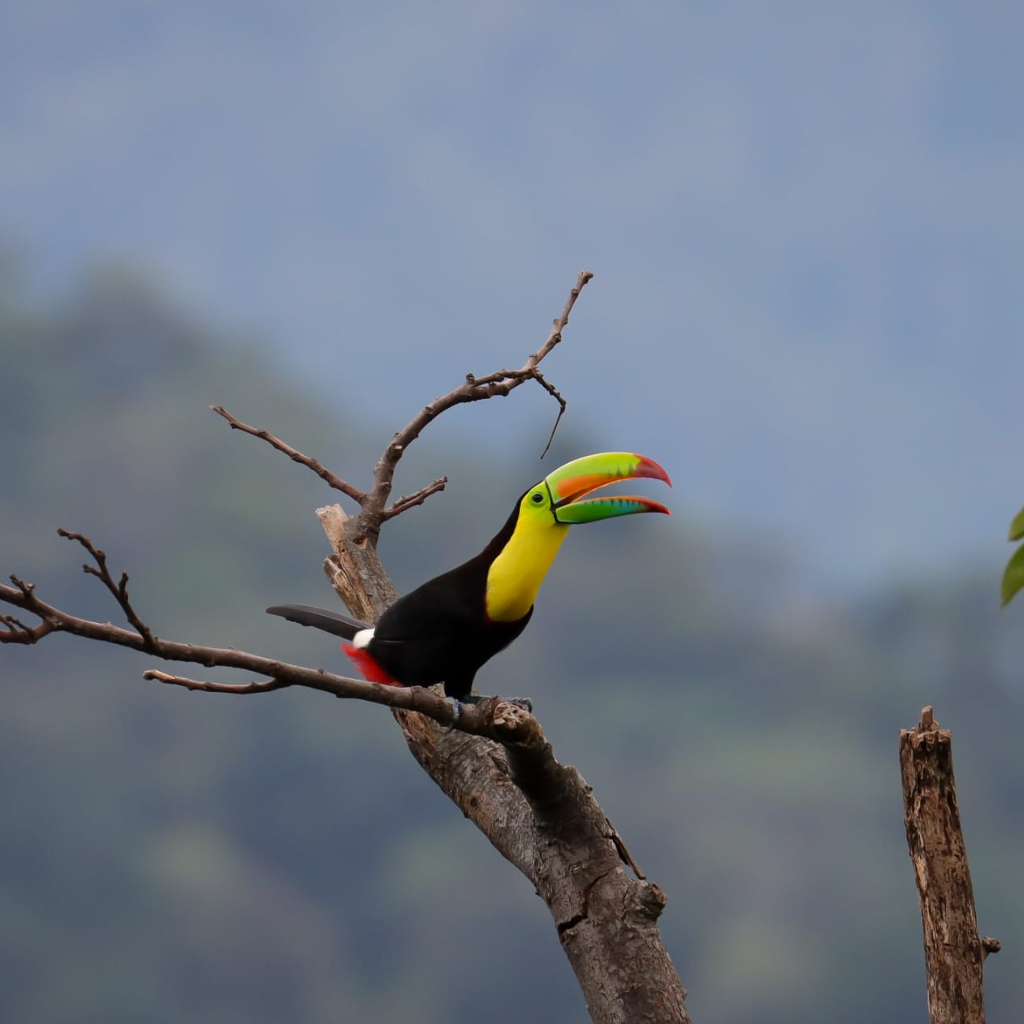
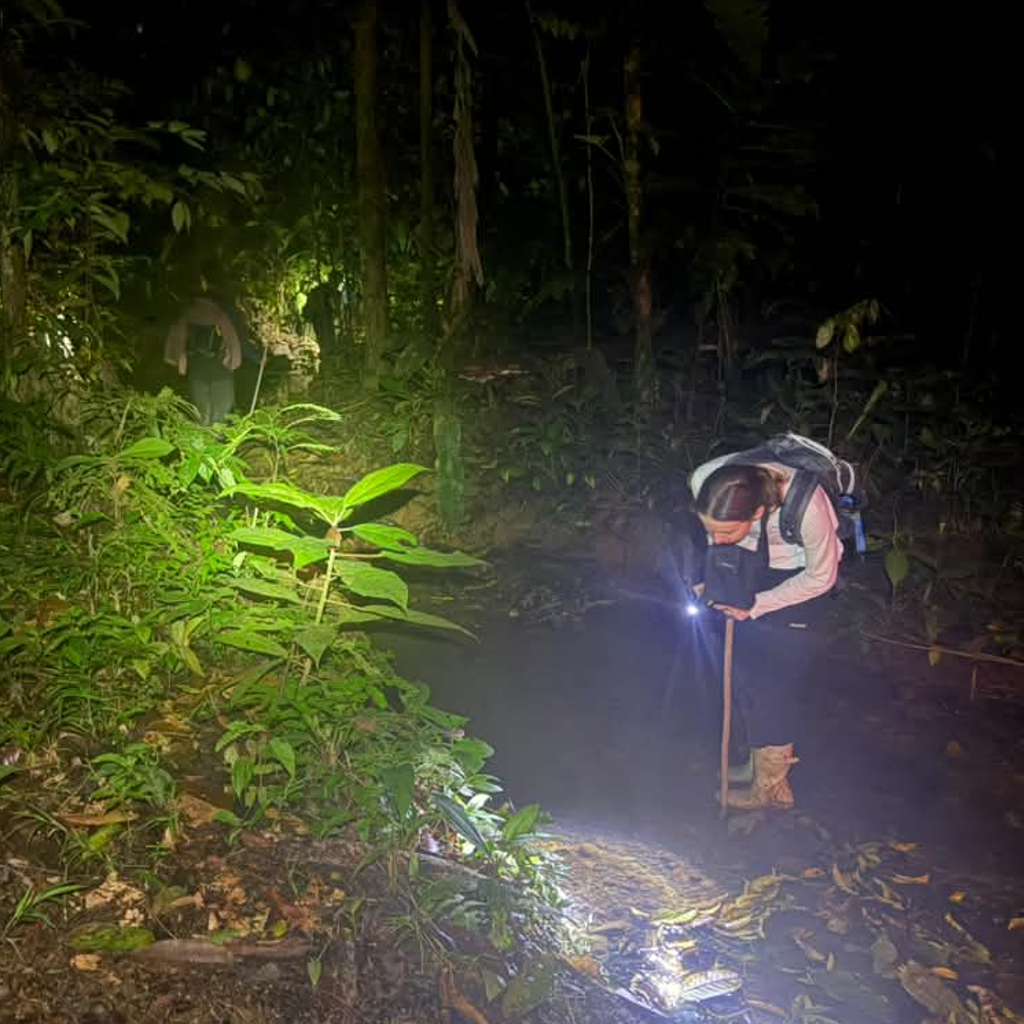
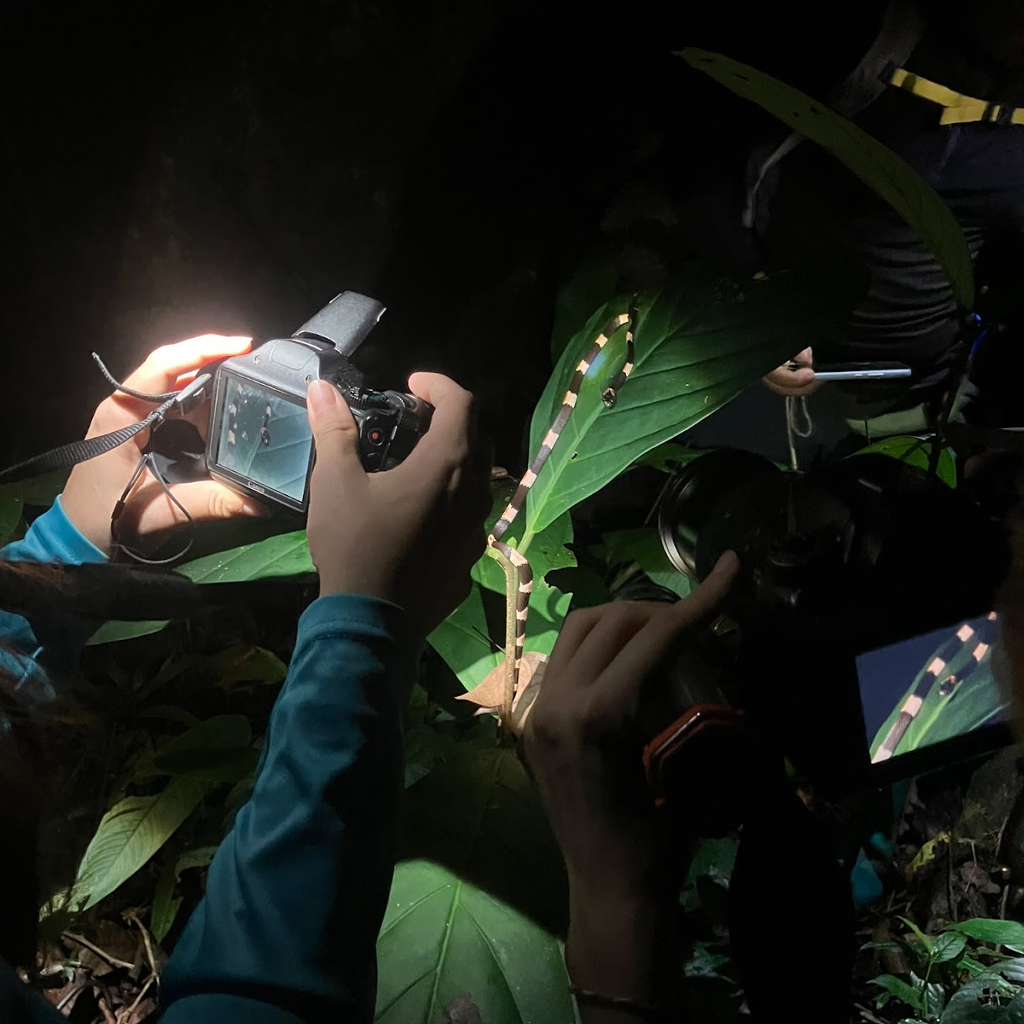
Where in Costa Rica will I work?
You will work in an Indigenous reserve on Costa Rica’s Caribbean coast, in a tropical rainforest. Fly into San José airport (SJO). From there, we transfer you to the reserve, and back to the airport at the end of your stay.
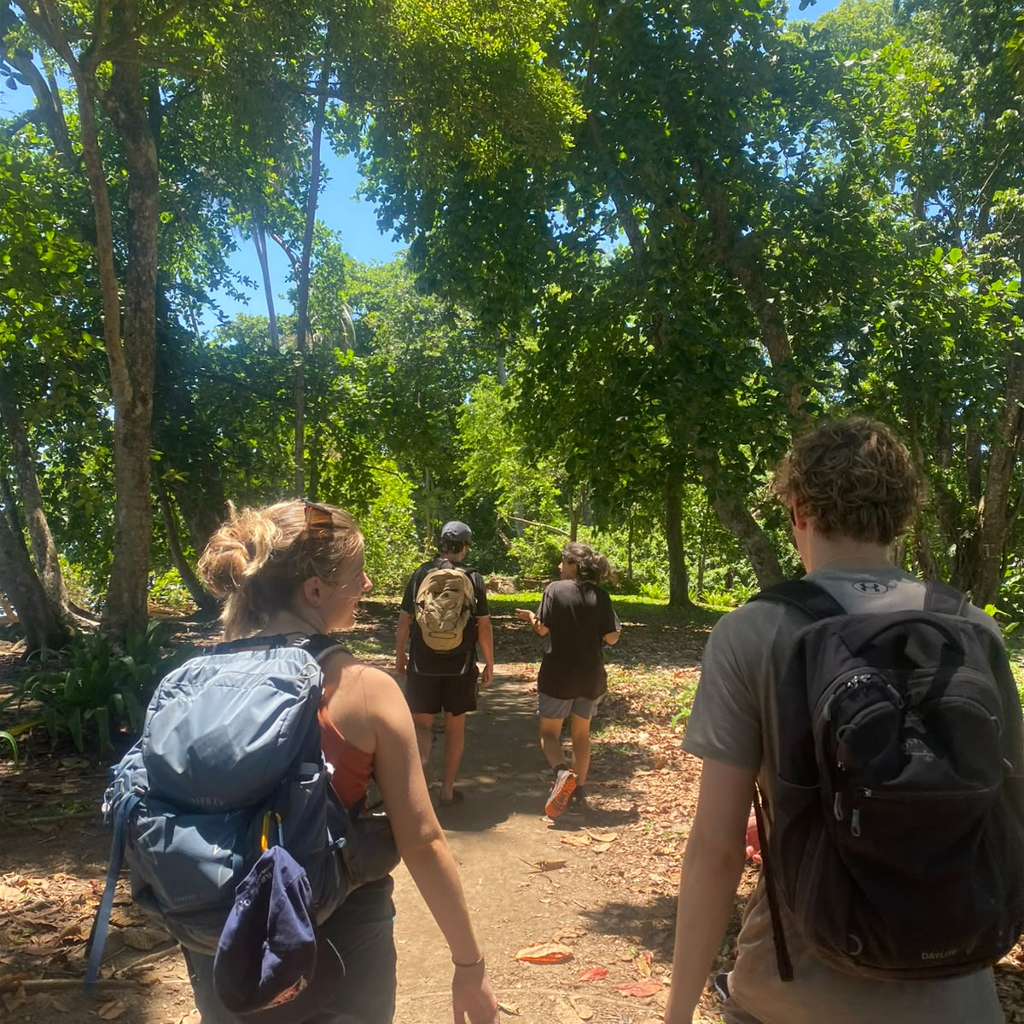
Every 2 weeks, new participants are collected in San José by a member of staff. They then take a bus or shuttle to the nearest town, a scenic drive that can take 5 hours. From there, they are dropped off at the edge of the Reserve, and have to walk another half-kilometer up a jungle trail to reach base while carrying their bags. Good physical condition is critical!

Food and accommodation
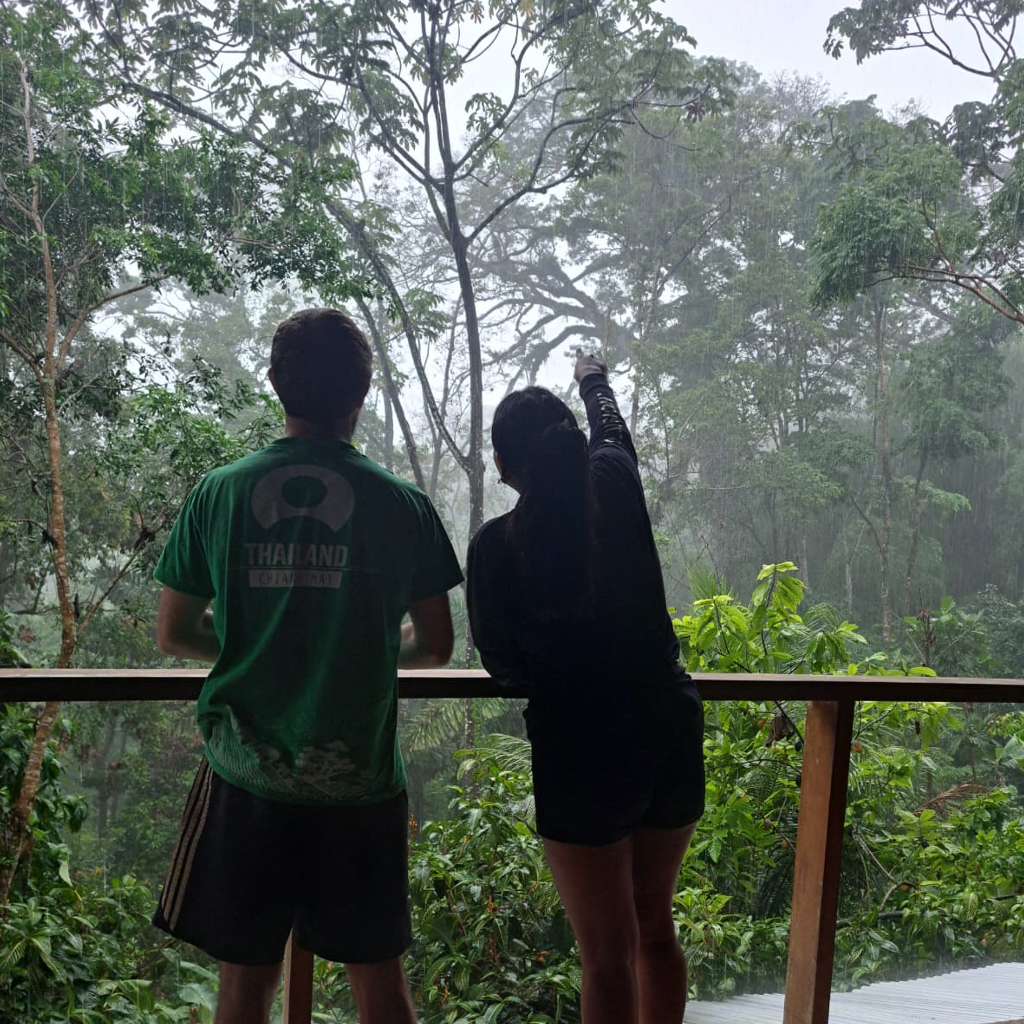
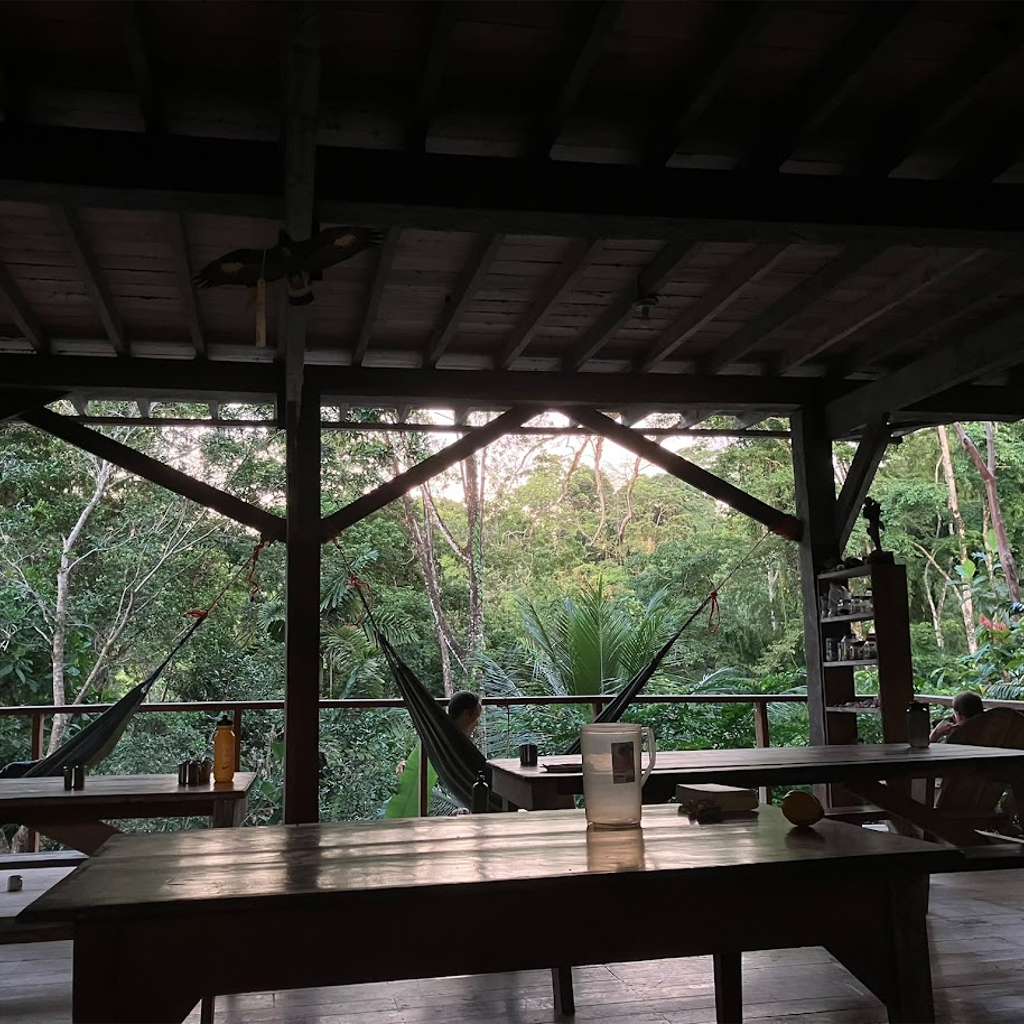
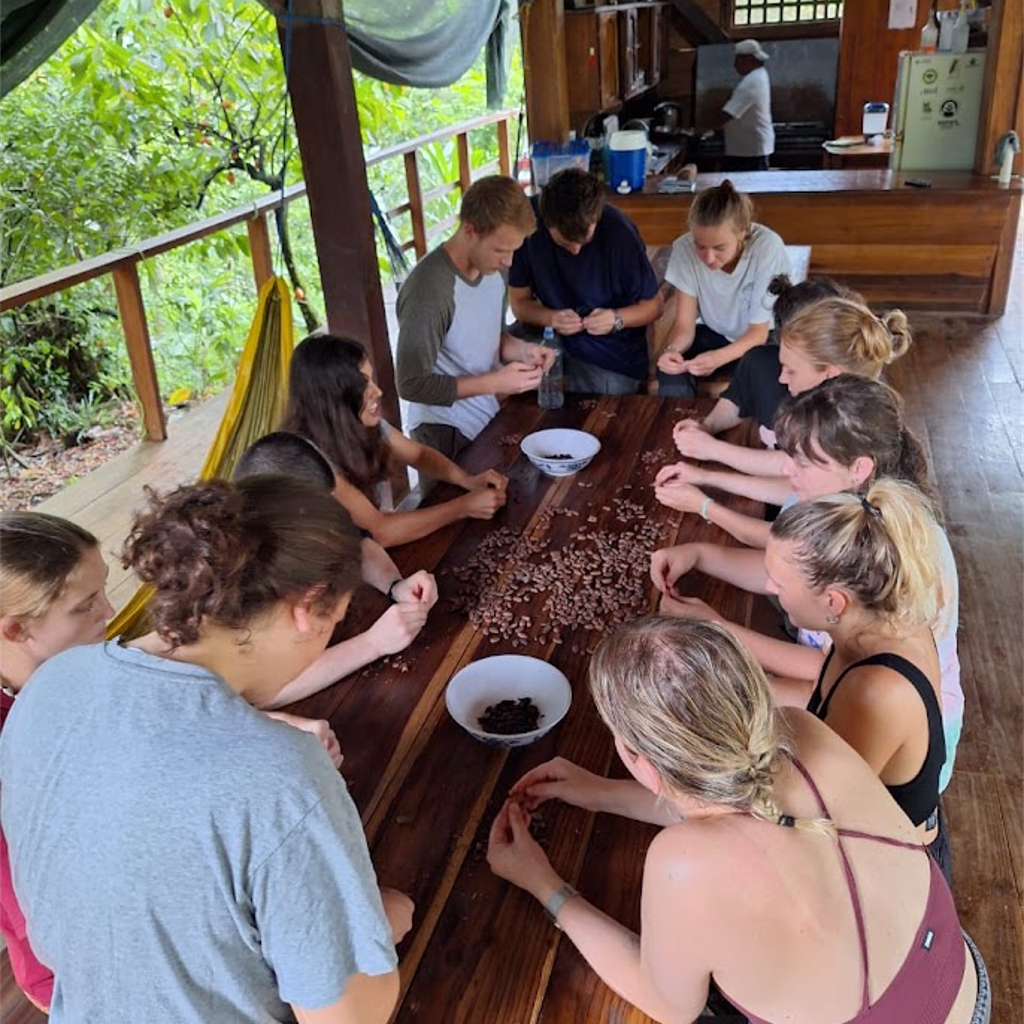
All staff and participants live and work on base during the week. Participants are housed in dormitories on the top floor of Base, which are rooms shared by up to 3 people in bunk beds. The Base is a fully off-the-grid structure, reliant on solar power for electricity and a local stream for water. Resources can be limited, so power and water are often conserved. Wifi is only available when the power is on, although some phones can get signal if they have a local carrier.
The base is open air, with screens and mosquito nets to keep the bugs out but otherwise open to the jungle. Plastic bins are available to store valuables, but there are no lockboxes or safes. Theft has never been a problem due to the location, and there are guard dogs as sentries. At least one member of staff is present at all times.
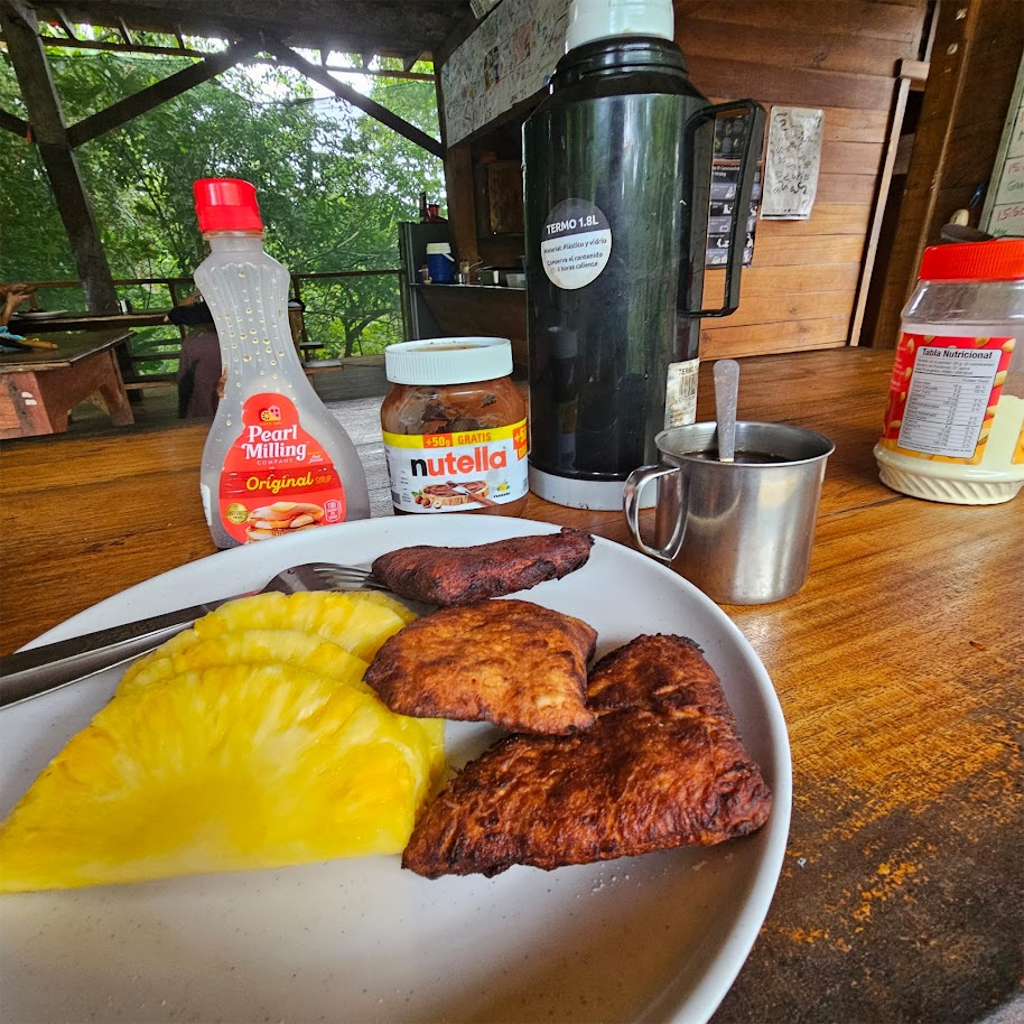
Three meals are provided every day by the host family or host staff. Food is generally local dishes of rice and beans with simple main courses like arroz choreado and pollo caribeño, although sometimes there are days of potatoes or pasta. Gallo pinto is a breakfast staple, although occasionally you get pancakes or Caribbean Frycake. We can accommodate dietary restrictions with advanced notice. Participants may cook their own food when the kitchen is unoccupied.

Leisure
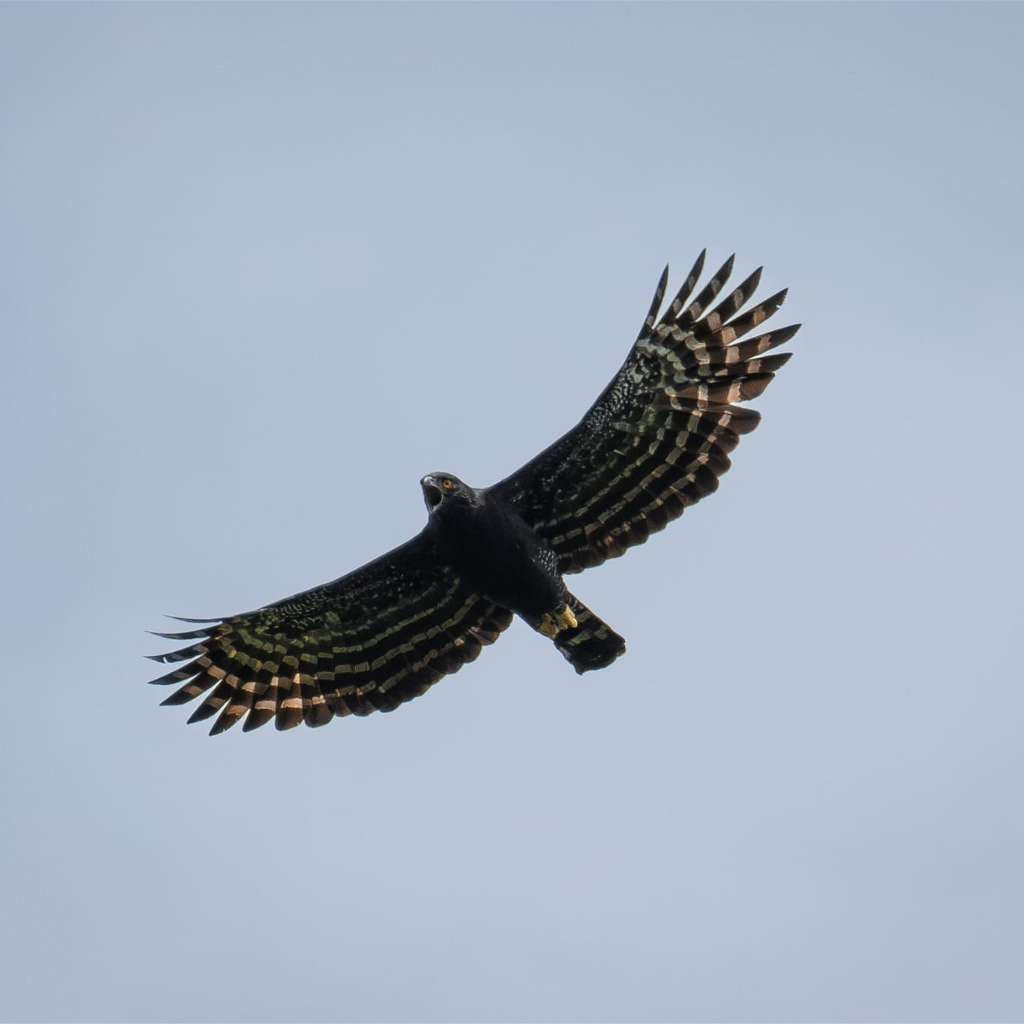
Participants are encouraged to leave Base and explore the area on weekends. The nearest coastal towns are only a short bus ride away, with plenty of lodging options from cheap hostels to nice hotels. There are plenty of great beaches, and a nearby national park is an easily accessible way to see wildlife you won’t find on Base. Other local activities include snorkeling, fishing, horseback riding, and mangrove kayaking.
Pricing
| Duration | Program Fee (Prices in USD) | Program Fee (Prices in EUR) |
|---|---|---|
| 2 weeks | $2,450.00 | €2,170.00 |
| 4 weeks | $3,475.00 | €3,075.00 |
| 6 weeks | $4,365.00 | €3,865.00 |
| 8 weeks | $5,255.00 | €4,650.00 |
| 10 weeks | $6,145.00 | €5,440.00 |
| 12 weeks | $7,040.00 | €6,230.00 |
How to get started
Pick a destination and project and apply
Meet your personal volunteer travel expert
Pay the Registration Fee to secure your place
Get ready to volunteer abroad — we’ll support you every step of the way!
Requirements
- Over 18 years old
- Valid passport and visa, if needed, for traveling in Costa Rica
- Valid travel insurance for the duration of your stay
- Good physical condition, able to hike 5 kilometers in a hot, humid climate
- Able to live in a shared, isolated environment with limited electricity
- Able to live in close proximity to spiders, bats and other insects
- Willing to provide full medical disclosure before arrival, including allergies, dietary restrictions and mental health
Preferred (not required): studying or holding a degree in a related field, field experience (especially in the tropics), and Spanish.
Still have questions? Let’s talk!
We’re here to answer all your questions so you feel 100% confident and ready for an unforgettable experience.


