
Next start: January 2, 2027. Every internship lasts at least 4 weeks, and each one includes a 5-hour online Spanish course to complete before you fly.
Conservation Internship in Costa Rica: Wildlife Research in a Tropical Rainforest
Conservation Internship in Costa Rica: Wildlife Research in a Tropical Rainforest
Project details
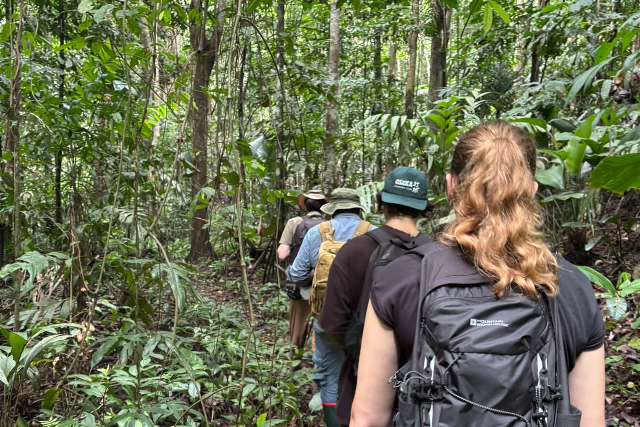
If you are aiming for a career in conservation, biology or environmental science, this conservation internship in Costa Rica gives you a place to start. For the length of your stay you will be part of the base team, contributing to long-running wildlife research in the rainforest. You do not need a degree or previous experience: the program is built to welcome people at any level and train them up.
Fieldwork takes place inside a territorial reserve governed by Indigenous communities on the Caribbean coast of Costa Rica, an area with semi-autonomous status. Its thousands of hectares combine primary and secondary rainforest with food-forest plots, farmland and a few built-up areas.
Your home during the internship is a scientific research base on land belonging to an Indigenous family, who host the team. A local conservation organization founded by community members and researchers runs the program. Its mission is to study the reserve’s ecology over the long term and to train the next generation of conservation scientists. Few research stations in the world operate inside an Indigenous reserve, and this is the only long-term one in its region. Read more about tropical wildlife conservation and the field methods used in reserves like this one.
As you gain confidence, a staff member will supervise you while you lead a wildlife survey of your own. You will also be encouraged to plan an independent research project during your placement and to present the results before you leave. The on-site Internship Coordinator and other staff guide that work. At the end, your fieldwork, your project and your professional growth are assessed, and Mondify issues you a certificate of completion.
Your tasks as a conservation intern in Costa Rica
Your placement combines field research, structured learning, and your own independent project:
Field research
- Transect walks to survey wildlife
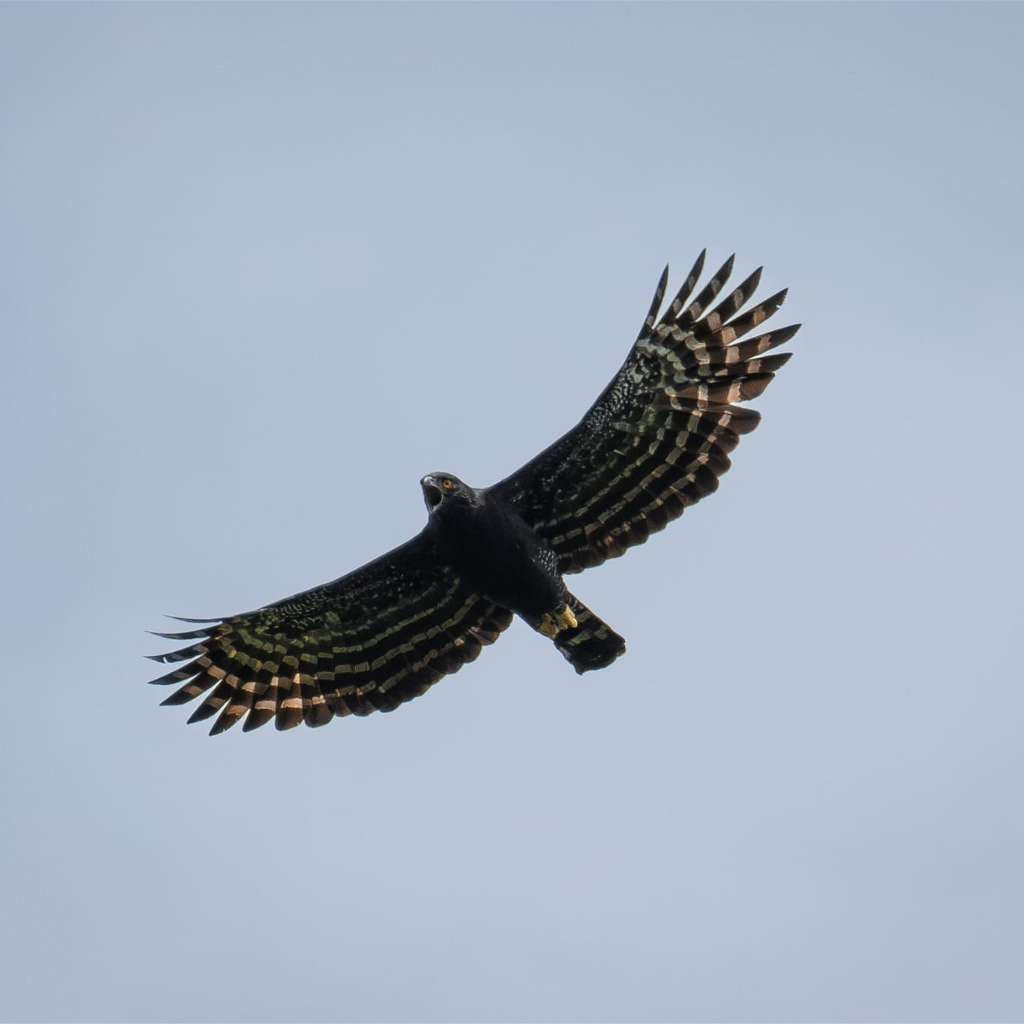
- Bird counts at fixed points
- Reptile and amphibian surveys
- Camera trap setup and image review
- Recording weather and climate readings
- Entering and checking field data
Learning on the job
- Identifying local species
- Tropical ecology fundamentals
- Herpetology basics
- Observing and interpreting animal behavior
- Botany and forest science
- Conservation and environmental policy
- Research ethics
Your own project
- Lead a wildlife survey with a staff member supervising
- Design and present your own research project
Gallery
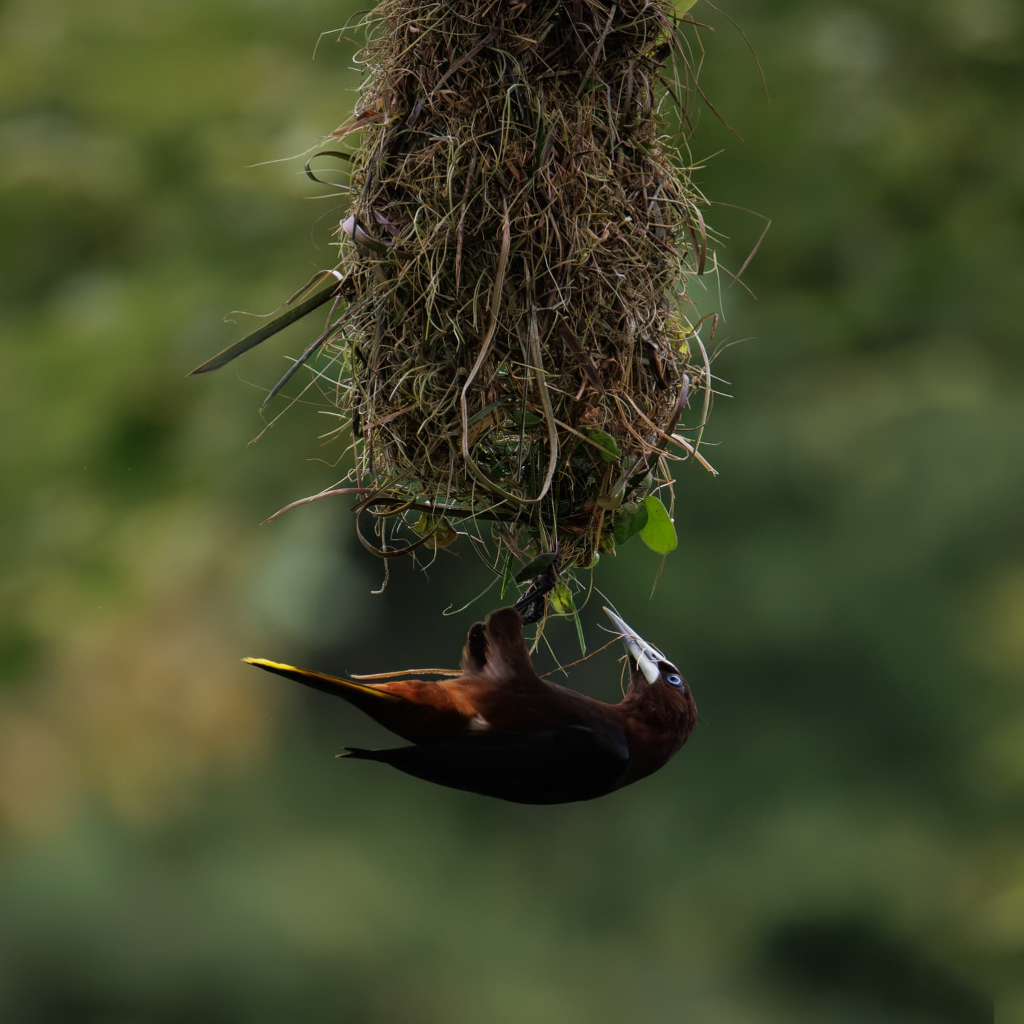
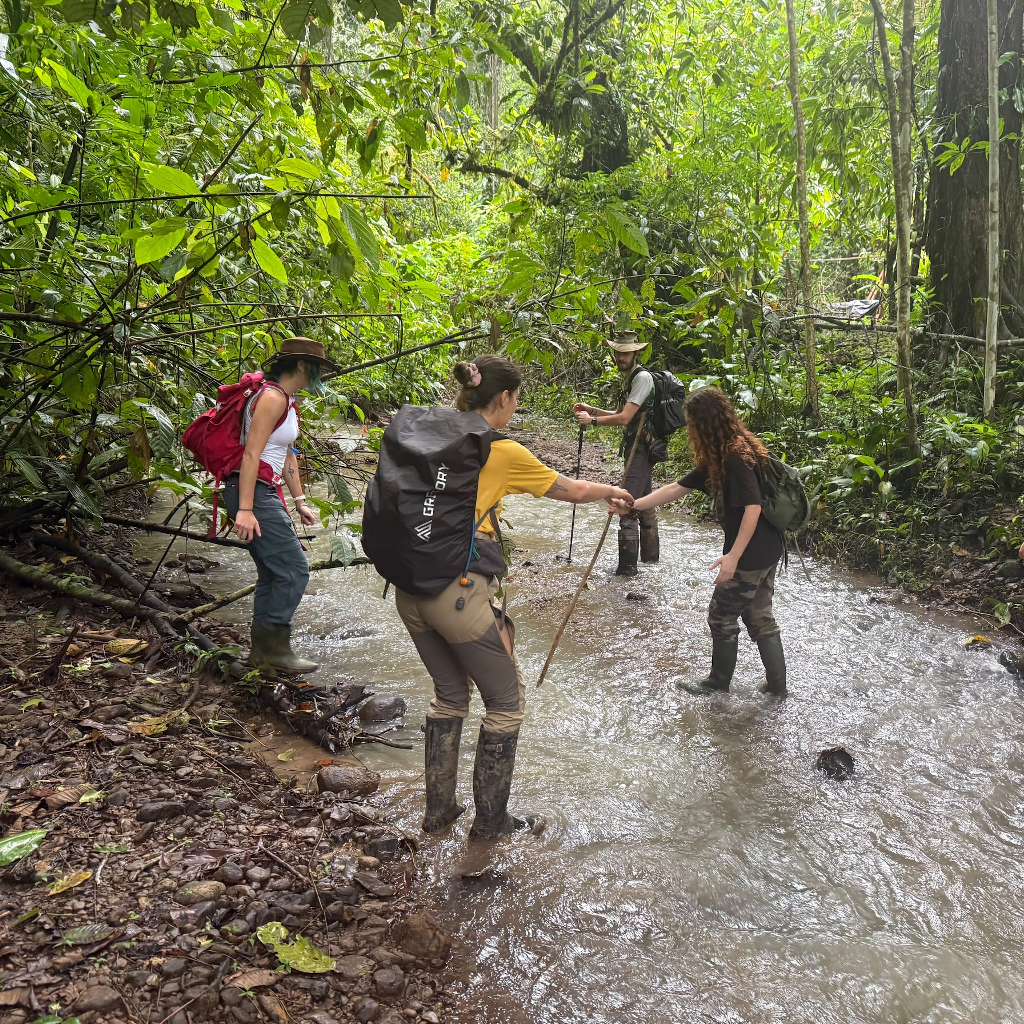
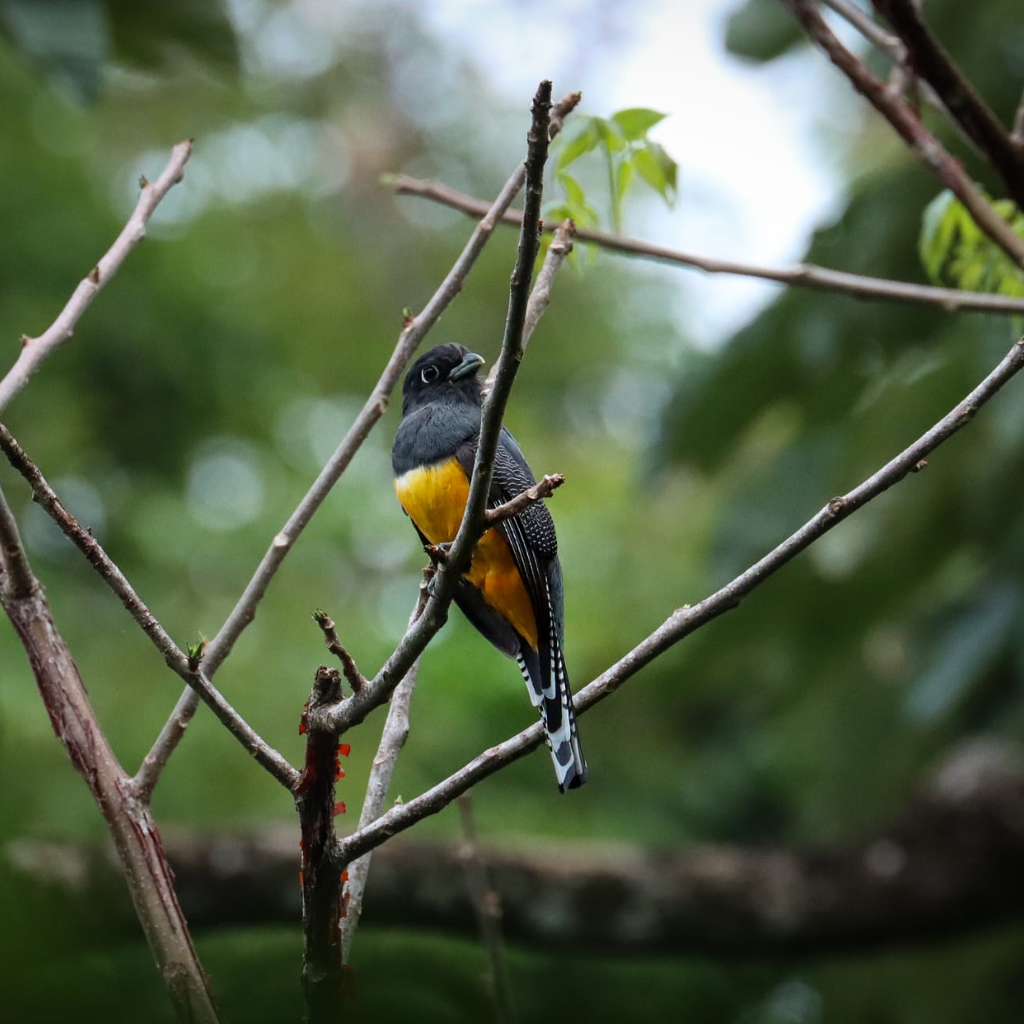
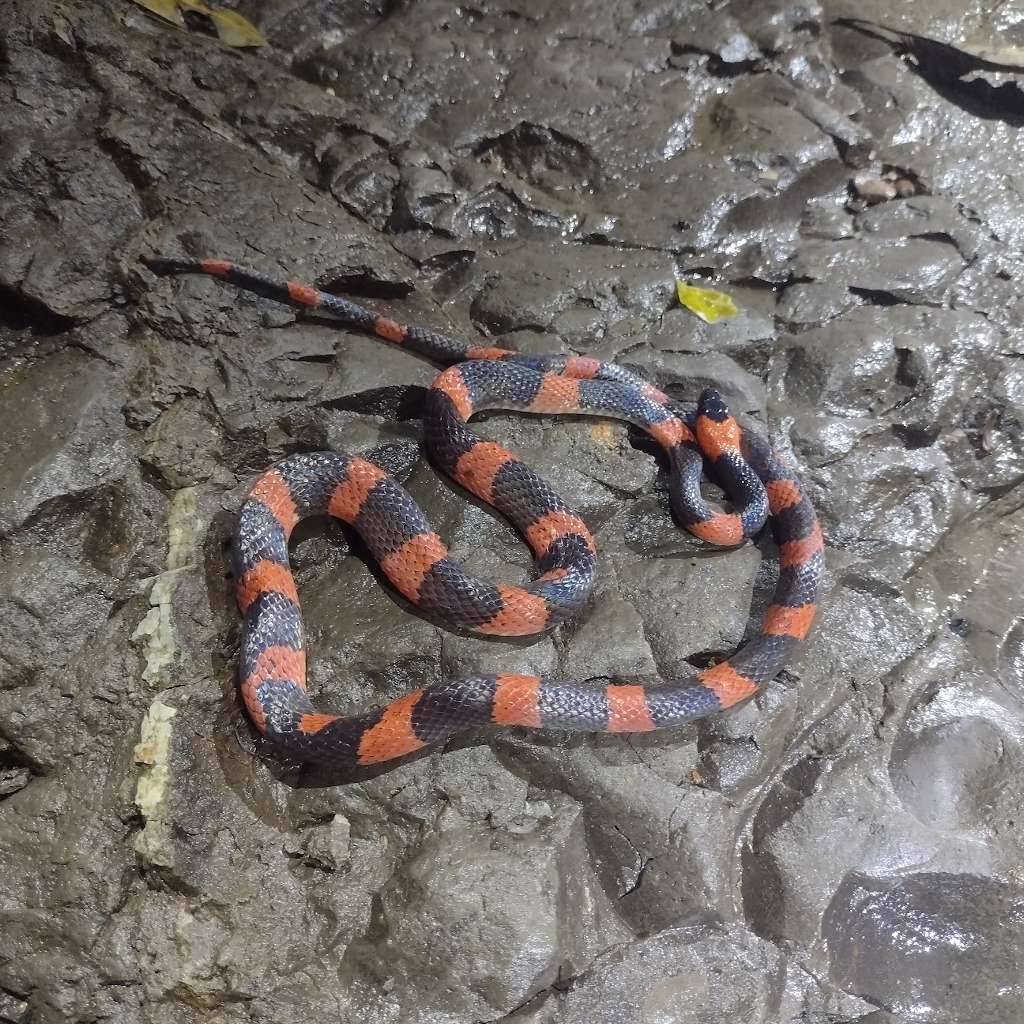
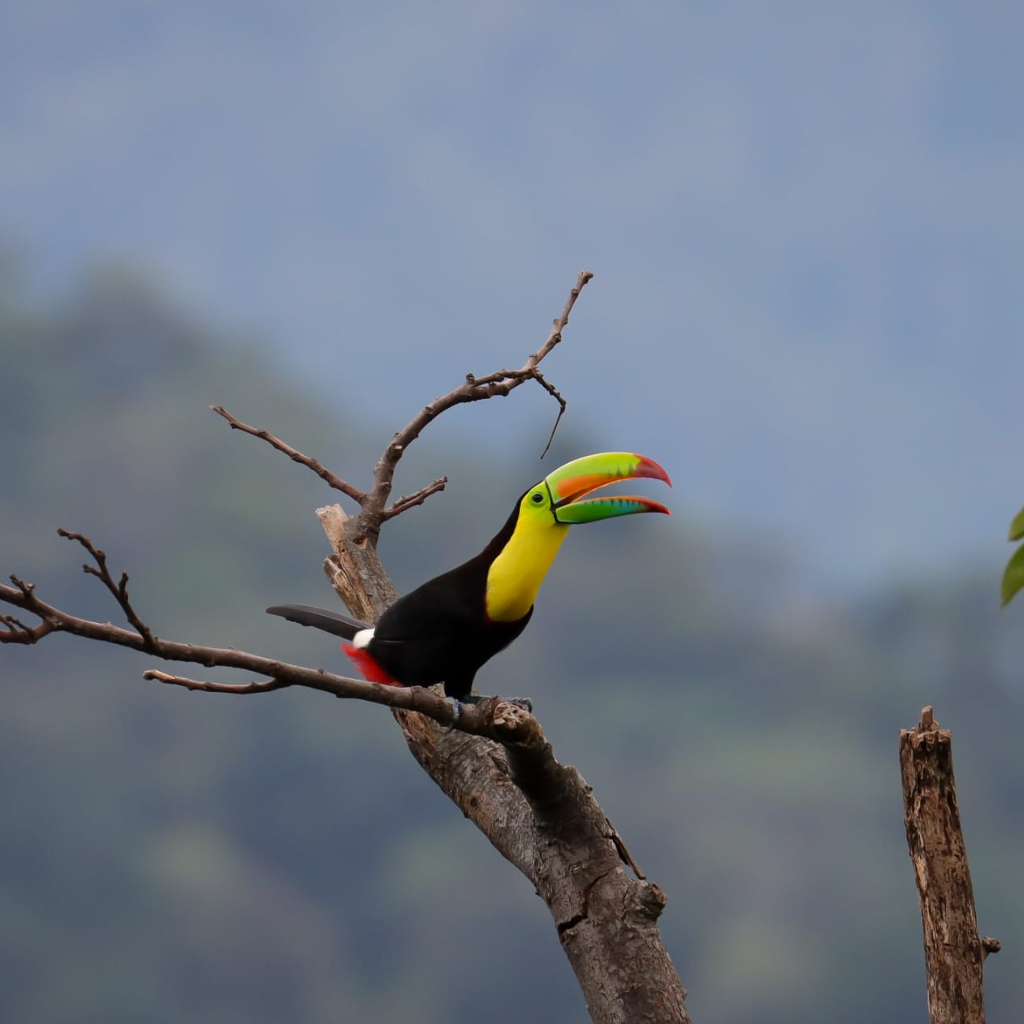
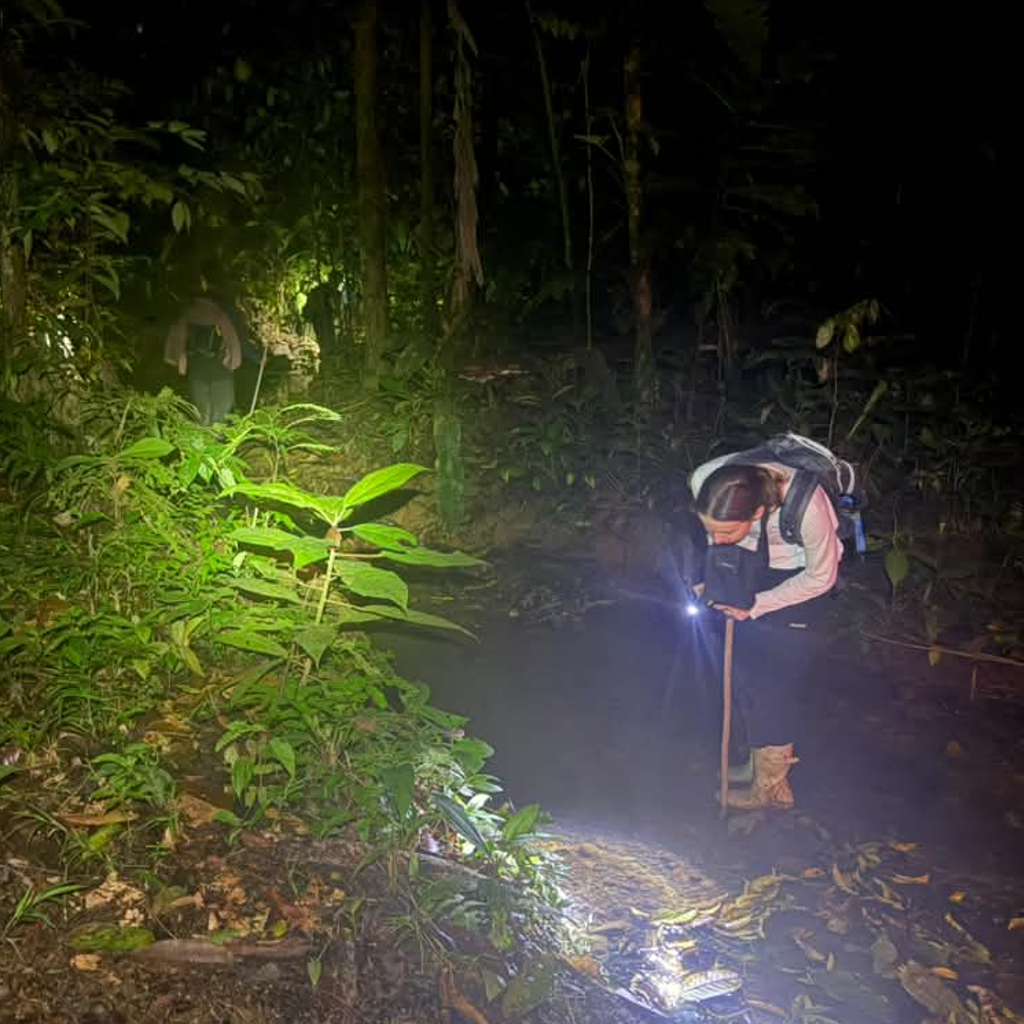
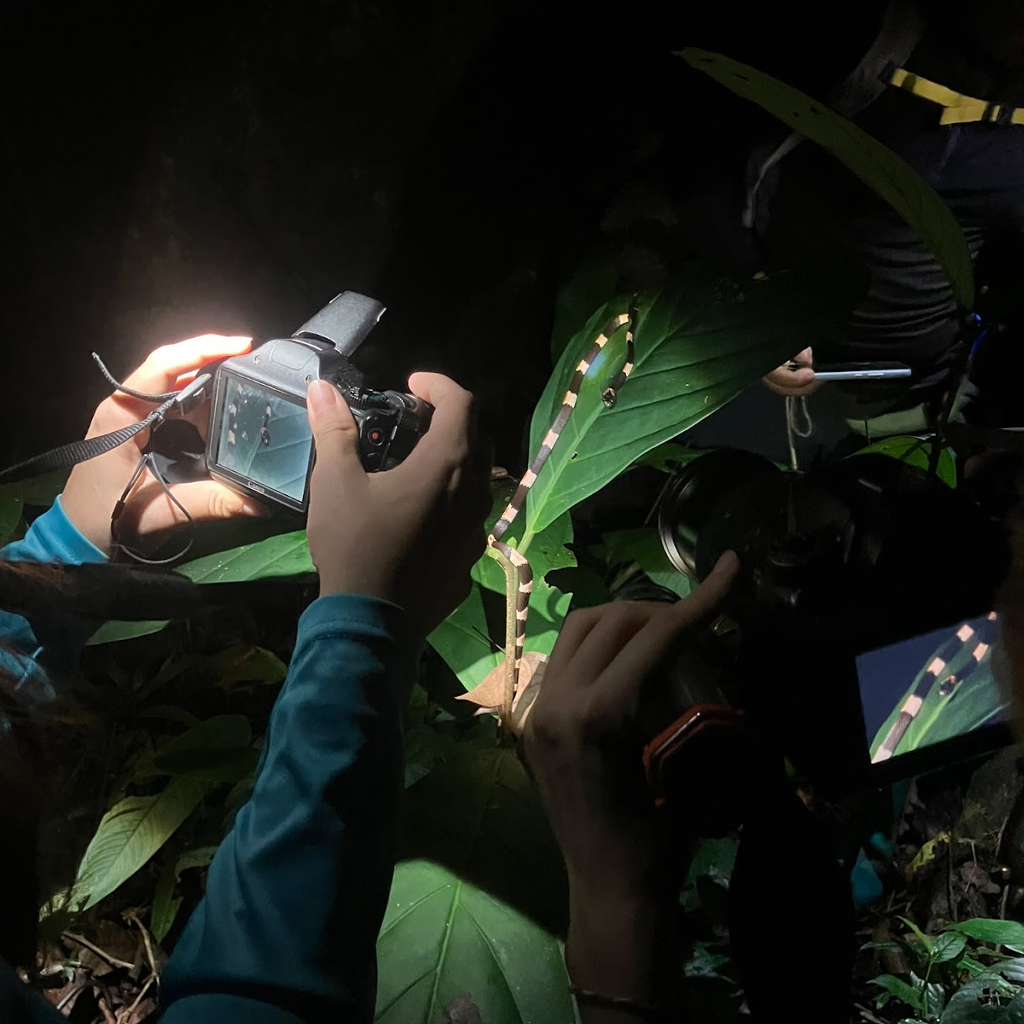
Getting to the research base
The internship takes place in a tropical rainforest inside an Indigenous reserve on Costa Rica’s Caribbean coast. You land at San José airport (SJO); we arrange your transfer to the reserve and your return to the airport when you finish.
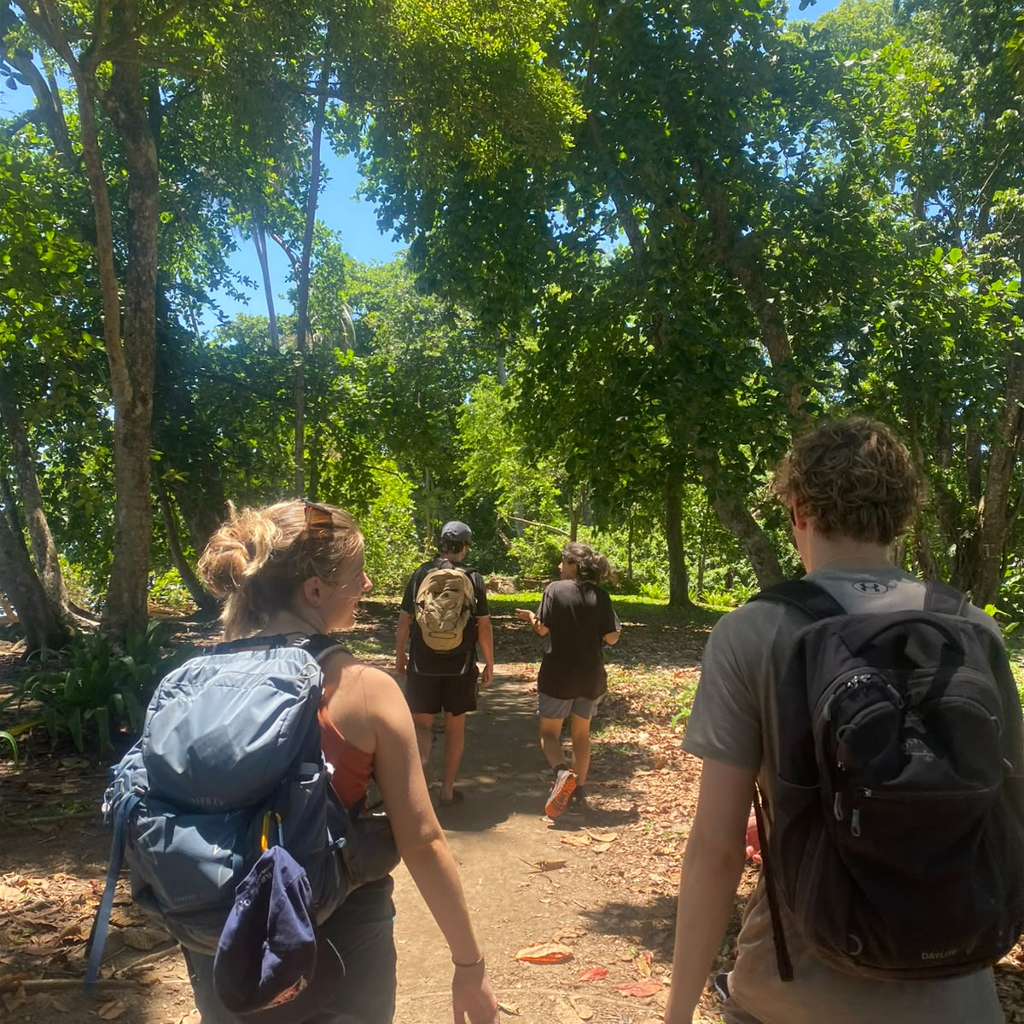
Arrivals are grouped every 2 weeks: a member of staff meets the new group in San José, and everyone then takes a bus or shuttle to the nearest town, a scenic ride that can last up to 5 hours. The vehicle stops at the edge of the Reserve, and the final stretch is a half-kilometer walk up a jungle trail with your luggage on your back. Being physically fit really matters here!

Living at the base: food and lodging
Interns stay on base for the whole placement, in dormitory rooms of up to three people with bunk beds. The base is completely off the grid: solar panels supply the electricity and a nearby stream the water, so both are used sparingly. Wifi works only while the power is on, although some phones can pick up a signal with a local carrier.
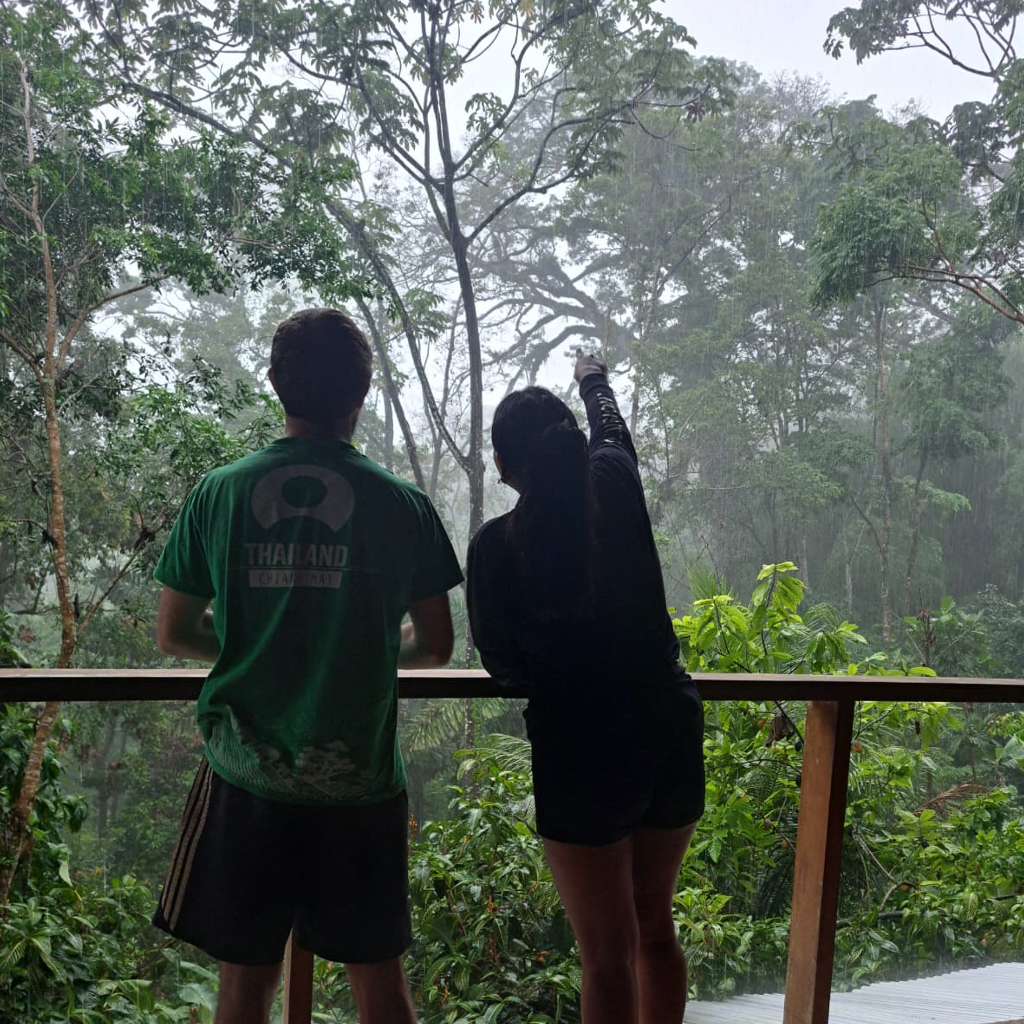
Rooms are open-air, with screens and mosquito nets against insects but otherwise open to the rainforest. Valuables go in plastic bins, as there are no lockers or safes. Theft has never been an issue in such a remote setting, guard dogs keep watch, and at least one staff member is always on site.
The host family or host staff cook three meals a day. Expect classic local built on rice and beans, with mains such as arroz choreado and pollo caribeño and the occasional day of potatoes or pasta. Gallo pinto is the usual breakfast, with pancakes or Caribbean Frycake as a change now and then. Tell us about dietary restrictions in advance and we will adapt, and when the kitchen is free you can cook for yourself.
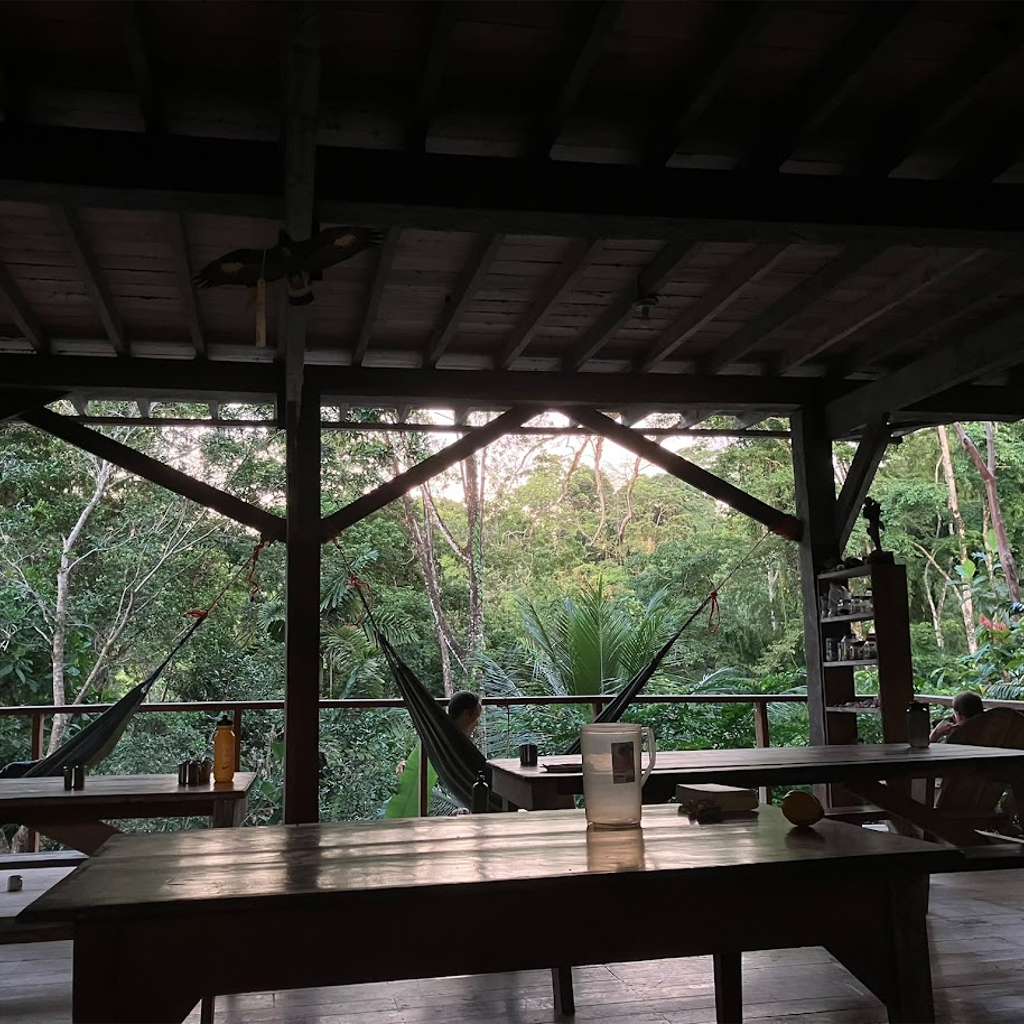
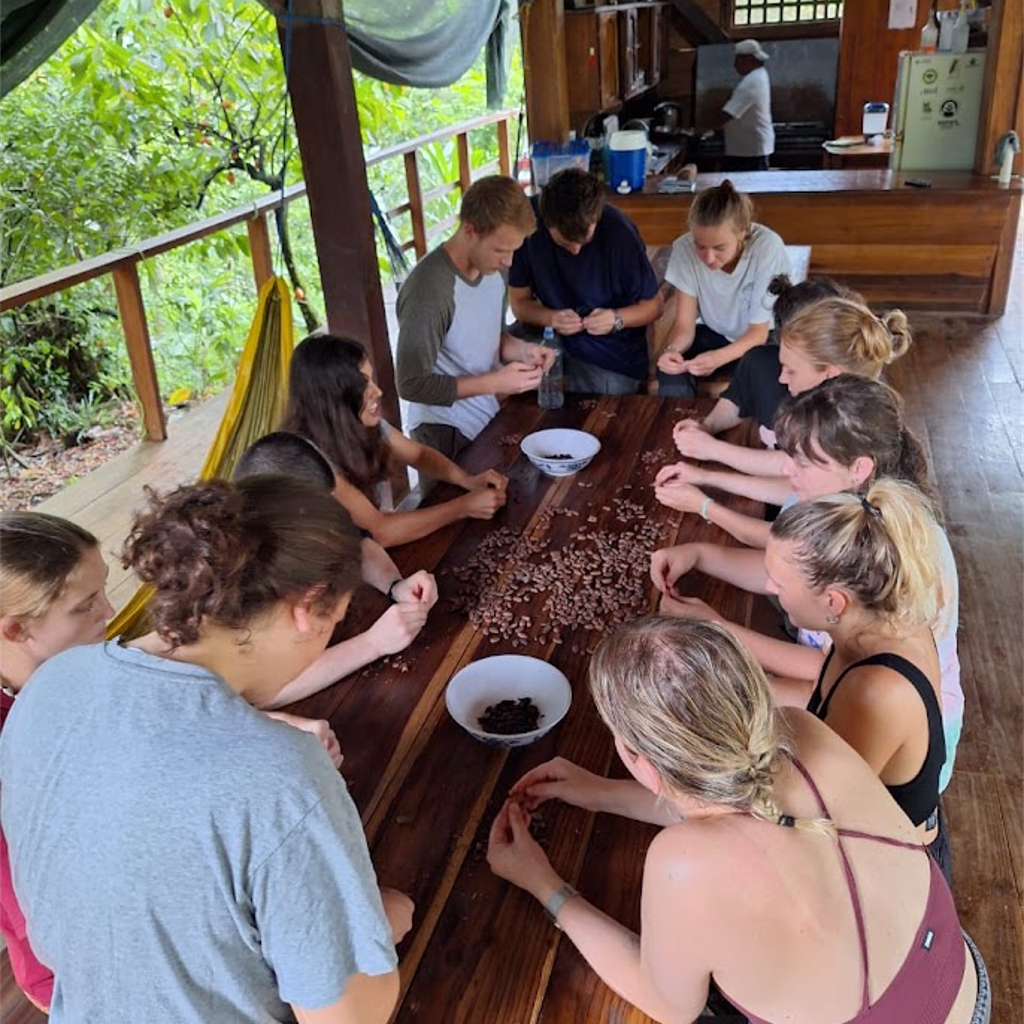
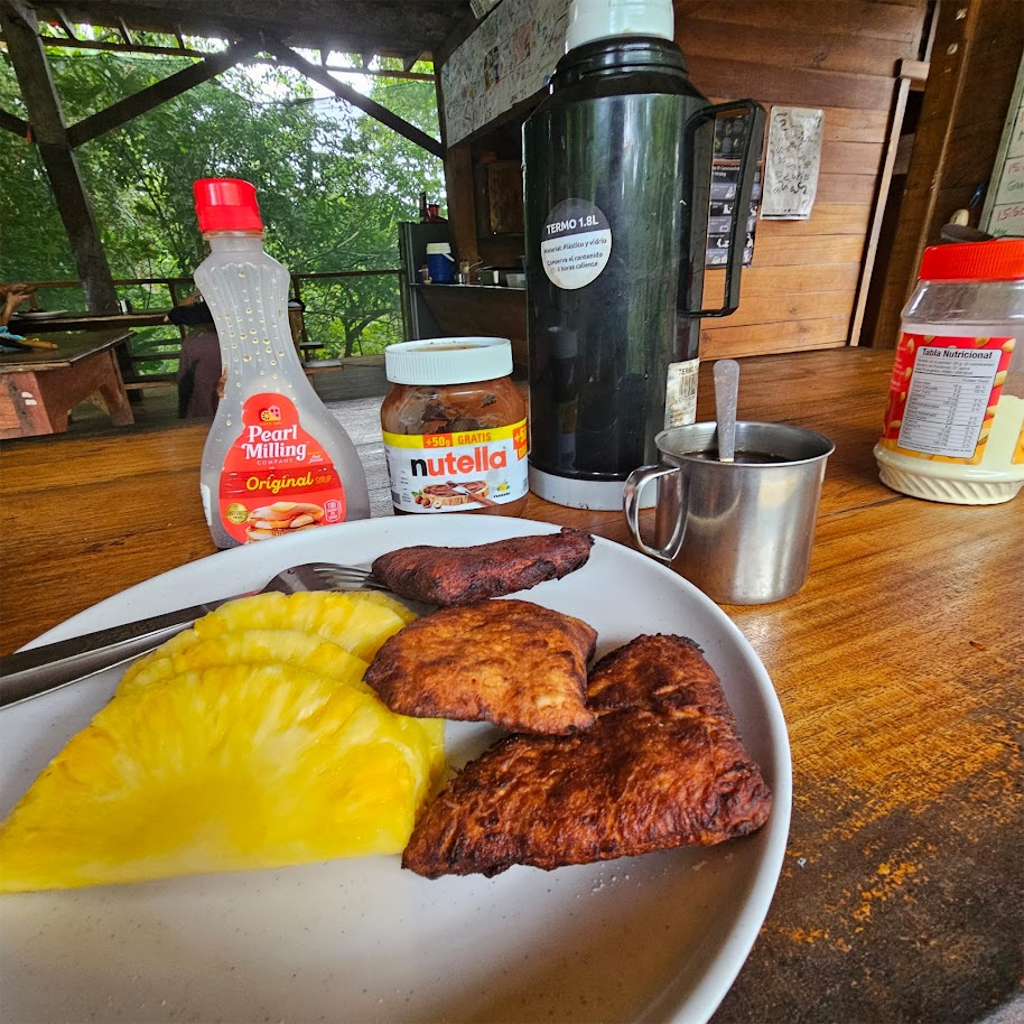

Days off
On your days off you are encouraged to leave the base and see the region. Coastal towns are a short bus ride away and offer anything from budget hostels to beachfront hotels. You can spend time at the beach, visit a nearby national park to spot wildlife you will not see at the base, or try snorkeling, fishing, horseback riding or kayaking through the mangroves.
Pricing
| Duration | Program Fee (Prices in USD) | Program Fee (Prices in EUR) |
|---|---|---|
| 4 weeks | $2,665.00 | €2,360.00 |
| 6 weeks | $3,835.00 | €3,395.00 |
| 8 weeks | $5,000.00 | €4,425.00 |
| 10 weeks | $6,165.00 | €5,455.00 |
| 12 weeks | $7,335.00 | €6,490.00 |
| 14 weeks | $8,335.00 | €7,375.00 |
| 16 weeks | $9,335.00 | €8,260.00 |
| 18 weeks | $10,335.00 | €9,145.00 |
| 20 weeks | $11,335.00 | €10,030.00 |
| 22 weeks | $12,335.00 | €10,915.00 |
| 24 weeks | $13,335.00 | €11,800.00 |
How to apply
Choose your destination and project, then submit your application
Get matched with your personal travel expert
Pay the Registration Fee to reserve your spot
Prepare for your internship abroad, with our support at every step
Who can apply
- Aged 18 or over
- Valid passport, plus a visa if one is needed to enter Costa Rica
- Valid travel insurance covering your whole stay
- Fit enough to hike 5 kilometers in hot, humid weather
- Comfortable living long-term in a shared, remote setting with limited electricity
- Comfortable sharing space with spiders, bats and other insects
- Ready to give complete medical information before arrival, including allergies, dietary restrictions and mental health
Preferred (not required): a related degree or ongoing studies, field experience (especially in the tropics) and some Spanish.
Still have questions? Let’s talk!
We’re here to answer all your questions so you feel 100% confident and ready for an unforgettable experience.
Also see our Volunteer in Costa Rica program, our Whale and Puma Conservation program in Patagonia, or our conservation volunteering in the Galápagos.


