
Gap Year Spanish Immersion Programs in Argentina: The Complete Guide

Most gap year Spanish immersion programs sell you a classroom and a bed. The ones that change your life put you at a family table in Argentina, hand you real work in the community, and let the language sink in because you actually need it. This guide shows you what that looks like, how to build your own route, and what to check before you book.

Want a route built around your dates? Book a free call with the Mondify team and we’ll map it out together.

A gap year is not a pause. Done well, it is the part of your life where you stop reading about the world and start living in it, in a second language. Argentina is one of the best places on Earth to do exactly that.
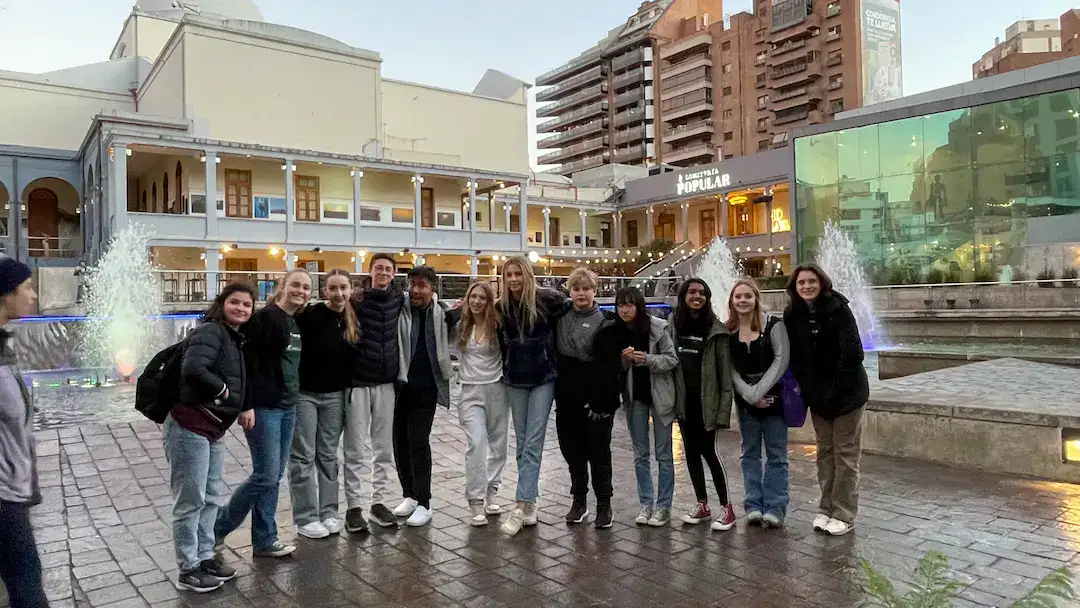
Gap year students at the Paseo del Buen Pastor in Córdoba, Argentina

Why Argentina is a smart choice for a gap year in Spanish
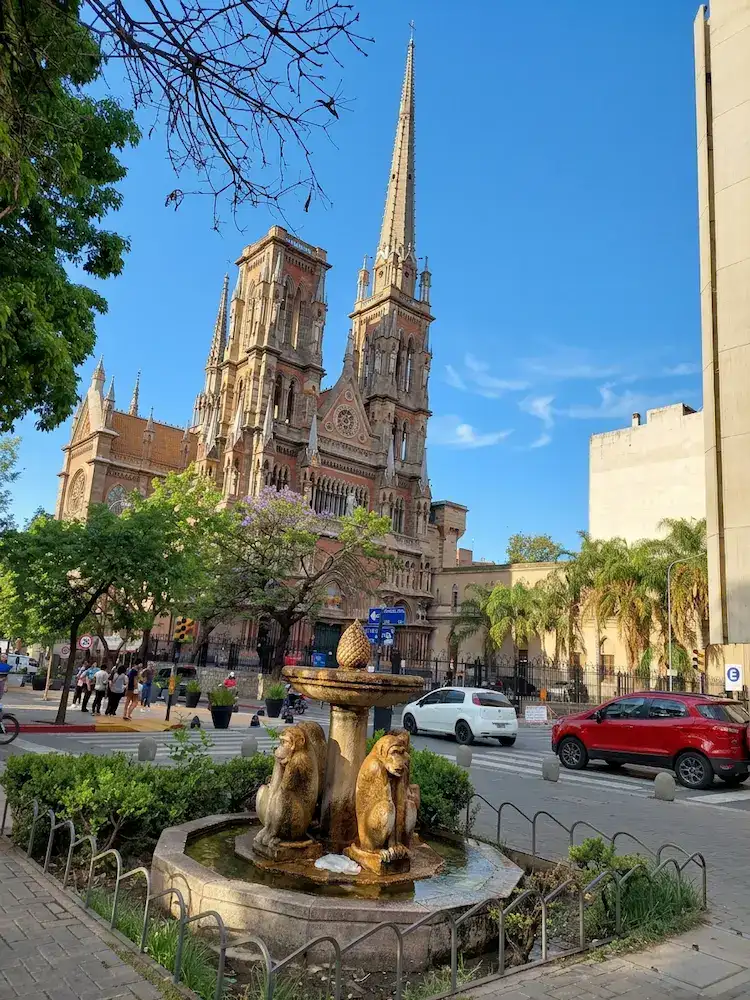
Capuchinos church in Nueva Córdoba, a walkable university area for a gap year Spanish immersion program in Argentina

Spain gets the brochures. Argentina gets the stories. Here is why a gap year in Argentina keeps beating expectations:

  • Spanish with character. You will learn standard Spanish and the local flavor on top: the vos form, the slang, the rhythm of the Córdoba accent. That is the Spanish people actually use at a dinner table.
  • A culture built around the table. Mate shared in a circle, a Sunday asado, empanadas that your host family insists you learn to fold. Conversation is the main activity, and it is the fastest classroom there is.
  • Variety in one country. Colonial plazas and Jesuit estancias in Córdoba, Alpine-style mountain villages, Iguazú Falls, whales in Patagonia. The Jesuit block and estancias around Córdoba are even a UNESCO World Heritage Site.
  • A real university city. Córdoba is young, walkable and welcoming, with a student energy that makes it easy to meet people your age.
  • A team on the ground. Mondify has worked in Córdoba since 2006. When you land, someone from our team is waiting for you, not a ticket number.

What a real Spanish immersion gap year includes

Immersion is not a synonym for «classes abroad». A program earns the word when four things happen at the same time:

1

You live inside the language.
A host family means Spanish at breakfast, on the bus and at dinner. One recent participant from the Netherlands told GoAbroad that living with a family that spoke only Spanish was exactly what she came for.

2

You study with purpose.
Small-group or personalized Spanish courses at your level, from absolute beginner to advanced. No prior Spanish is required.

3

You do something that matters.
Pair your lessons with volunteering and internships: animal care and veterinary work, childcare, community sports, radio journalism, human rights, medical internships, or teaching your own language. Learning a language while using it for real work is how vocabulary sticks.

4

You are never on your own.
Airport pickup, an orientation, and local staff who answer your messages. See how it works for the step-by-step.

Depending on the program, your package can also include meals, course materials, a letter of recommendation and a certificate of completion. Those last two are useful for university applications and CVs. We confirm the exact inclusions for your route on your call.

Start dates are flexible. Our projects run year-round and you choose when to begin, which is a big difference from fixed-intake semester programs.

Students and host family sharing a snack during a Spanish immersion gap year in Argentina

A sample gap year route: Córdoba, Galápagos and Patagonia

No two gap years look the same, so treat this as a starting point. It stacks three Mondify experiences into about ten weeks, and every piece can be shortened, extended or swapped.

1

Settle in and start talking
Córdoba, Argentina · 6 weeks

Host family, daily Spanish classes, plus a volunteer or internship placement such as animal care or childcare. Weekend trips to Alta Gracia and Villa General Belgrano.

2

Work with giant tortoises
Galápagos, Ecuador · 2 weeks

Spanish and giant tortoise conservation on San Cristóbal: breeding center, invasive species control, beach cleanups and a community mural, with afternoon Spanish classes and a host family.

3

Whales and wild Patagonia
Patagonia, Argentina · 1–2 weeks

Whale and puma conservation at a wildlife refuge, or a whale watching add-on in August.

3b

New: tropical conservation
Costa Rica (available from January 2027) · 2 weeks

Hands-on conservation volunteering or an internship, lived and learned in Spanish. Choose it instead of Patagonia, or shorten Córdoba to fit both.

4

Free travel
Your choice · 1 week

Iguazú Falls or Mendoza wine country, with the Spanish you just earned.

Why this order works: you build confidence in Córdoba, where your host family and classes give you a safe base, then you put your Spanish to work in places where no one speaks English to you.

Costa Rica joins our destinations in January 2027, so routes starting that month or later can include it. Want a different mix? Swap Córdoba for a medical internship, or add a human rights placement. Our group itineraries for universities and high schools show how flexible the format is.


When to go and how long to stay

Argentina sits in the Southern Hemisphere, so your calendar flips: summer runs December to February, winter June to August. Because Mondify projects run all year, you can match the season to your plans rather than to a school term.

4 weeks
Enough to go from «hola» to real conversations. Ideal before university or between jobs.

8 to 12 weeks
Where the jump in fluency happens, and where a multi-stop route like the one above makes sense.

Longer than 90 days
Requires a different legal setup. Read the entry rules below before you plan it.

Book early. Most people decide on their gap year in January, and the best placements, host families and flights fill first. If you are thinking about leaving in the next six months, the time to start the conversation is now.


Entry rules: what to check before you book

Citizens of many countries, including the US, UK, Canada, Australia and EU members, can enter Argentina without a visa and stay up to 90 days, according to World Travel Guide. The same source notes that visa-exempt tourists can request a 90-day extension from Argentina’s immigration authority, and that your passport must be valid for your whole stay.

Two honest points before you plan:

Rules depend on your nationality and what you do. Argentina’s foreign ministry explains on its official tourist visa page that tourist status is for tourism, and that other activities fall under different rules. Confirm your case with the Dirección Nacional de Migraciones or your nearest Argentine consulate.

Mondify designs programs for shorter stays. Our participants come from countries that do not need a visa to enter Argentina, and our programs run well under 90 days. We do not issue the paperwork used for student or work visas.

Galápagos is in Ecuador and Costa Rica is its own country, so those stages follow each country’s entry rules. Check them with the Ecuadorian and Costa Rican authorities as well. Rules change, so always rely on official sources on the date you book.


Who is behind your gap year

Mondify is a non-profit cultural exchange association registered in Argentina, with a local team in Córdoba since 2006. According to our GoAbroad provider profile, we have welcomed more than 3,500 volunteers and we are a certified partner of Projects Abroad. Our partners include Cruzeiro do Sul University in Brazil and local organizations in Córdoba.

Don’t take our word for it. Read what past participants say on Trustpilot, and see our daily life in Córdoba on Instagram @mondify.global and YouTube @mondifyglobal.
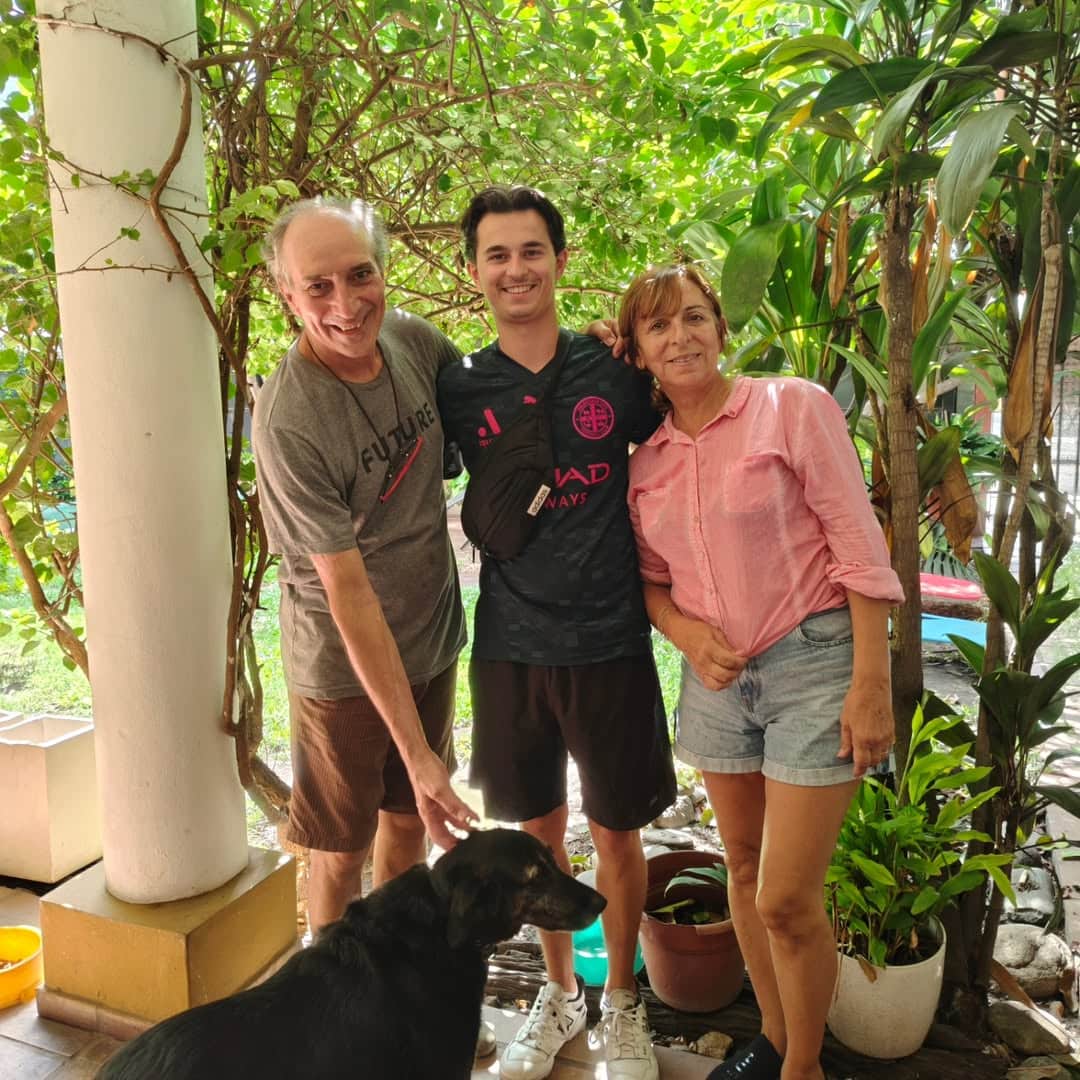
Volunteer welcomed by her host family at the entrance of their home in Argentina

Gap year Spanish immersion: frequently asked questions

How long should a gap year Spanish immersion program be?

Four weeks gets you talking. Eight to twelve weeks is where most people reach comfortable everyday conversation. Mondify programs are built for stays under 90 days, and start dates are flexible.

Do I need to speak Spanish before I go?

No. Beginners and advanced learners are both welcome, and classes are matched to your level.

Is a gap year only for school leavers?

Not at all. We welcome university students on a break, professionals between jobs and adults over 50. Our Córdoba itinerary for travelers aged 50+ combines host families, Spanish lessons and cultural activities.

What does it cost?

Price depends on your duration, destinations and the volunteer or internship placement you choose. We prepare a personalized quote on a free call, and you can compare options on our pricing page.

Where will I live?

With a local host family in the city, which means home-cooked meals and daily practice. In Galápagos, too, participants stay with host families.

Can I combine volunteering with Spanish classes?

Yes, and it is the best way to learn. Read our guide on how to learn Spanish and volunteer at the same time.

Is Argentina a good place to learn Spanish compared with Spain or Mexico?

Each has its charm. Argentina stands out for its warm host-family culture, its Rioplatense vos Spanish, and the chance to combine language with conservation, medical or community work in one trip.


Your gap year starts with one conversation

In a year you will not remember the grammar tables. You will remember the first time you made your host family laugh in Spanish, the tortoise you fed on San Cristóbal, and the friend who taught you to pour mate. That is what a great gap year Spanish immersion program gives you: a version of yourself who can go anywhere and talk to anyone.

Ready to plan yours? We’ll design a route around your dates, your budget and your goals.

Prefer to browse first? Watch real stories on YouTube or follow the adventure on Instagram.